

Flooded Basement in Johnson City, TN? What to Do First
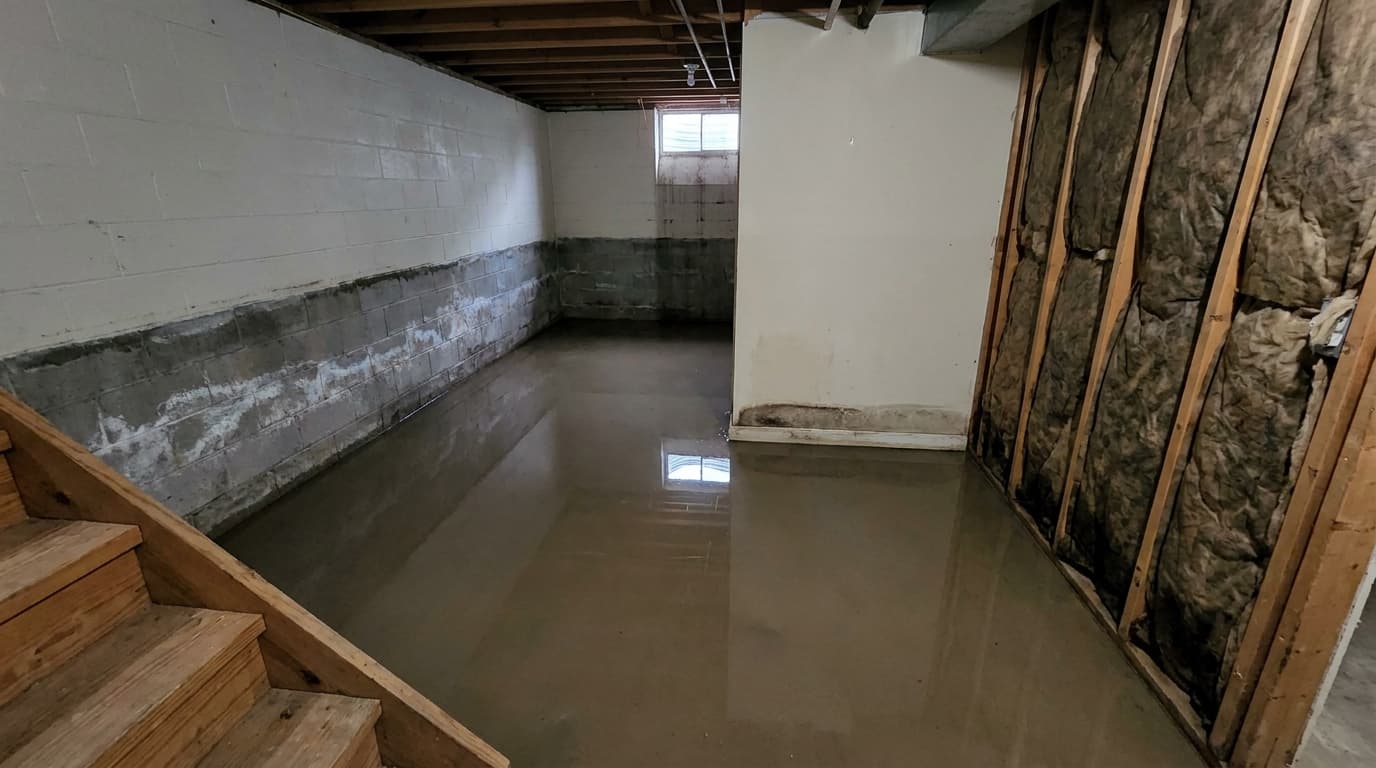
If you are reading this at the top of your basement stairs with water at the bottom of them, start here: do not go down yet. Almost everything about a flooded basement can wait a few minutes. The two things that cannot are electricity and gas, and both get decided before your foot touches the water.
We get called out to flooded basements across Johnson City and the rest of the Tri-Cities, and the pattern holds. People are rarely hurt by the water itself. They are hurt by what it is touching — or they lose a floor they could have saved, because the first day ran the right tasks in the wrong order.
This is the order we work in, and the same sequence behind flood cleanup in a Johnson City basement. Most of it is not specialist work. Where a step needs equipment or judgment you do not have, we will say so rather than imply it.
Get Your Quote
Ready to handle this with a pro?
You're reading about What Are the First Steps When a Johnson City Basement Floods. Get a fast quote for water damage restoration service in Johnson City, TN from Conrad's Water Damage and Fire Restoration.
What Are the First Steps When a Johnson City Basement Floods?
The first thing to do when a basement floods is cut the power to it, from somewhere dry.
CDC's guidance for reentering a flooded home settles the trade-off: "If you have standing water in your home and can turn off the main power from a dry location, then go ahead and turn off the power, even if it delays cleaning." If you cannot reach it dry, "call an electrician to turn it off." One line gets its own warning box — "NEVER turn power on or off yourself or use an electric tool or appliance while standing in water."
That is the whole of basement safety at minute one. In plenty of Johnson City houses the panel is at the bottom of the stairs, which makes the answer the electrician or the utility, not a careful step. The most upvoted piece of advice in the homeowner threads we read says it in fewer words: do not wade in the water unless the power is off. That advice loses to adrenaline easily — one homeowner who filmed his own flood wrote, "I was in full-on panic mode. I stepped right into the water with bare feet. Got lucky."
The second check is gas. Basements here hold the furnace and water heater, and floodwater reaches both. If you smell rotten eggs, hear hissing, or find a pilot light out, leave, do not touch a light switch on the way, and call the gas utility from outside.
Then: keep children and pets out, wear boots and gloves — a sewer backup looks identical to rainwater once it spreads — and lift what you can off the floor. Cardboard wicks, and paper records are what people grieve later.
How Do You Stop Water Coming Into a Johnson City Basement?
Removing water while more arrives is the most common wasted afternoon in this work. Find the water source and stop it first. That ordering is the difference between one cleanup and three.
Basements flood from a short list of causes: a burst supply line, a fixture or appliance overflowing upstairs, a sewer or drain backing up, groundwater finding a crack or mortar joint in a block wall, surface water running at the foundation because a gutter gave up — and a sump pump that has stopped keeping up. If it is a supply line and you can reach the main shutoff dry, close it.
That last cause is the one nearly every article skips, and it is what stands between you and a dry floor tonight. If you have a sump pump and water on the slab, something in that system has stopped working. Four things to check, in this order, and all of them from a dry floor: if the slab around the pit is still wet, the pump and the panel wait until the water is gone or an electrician has cleared the power.
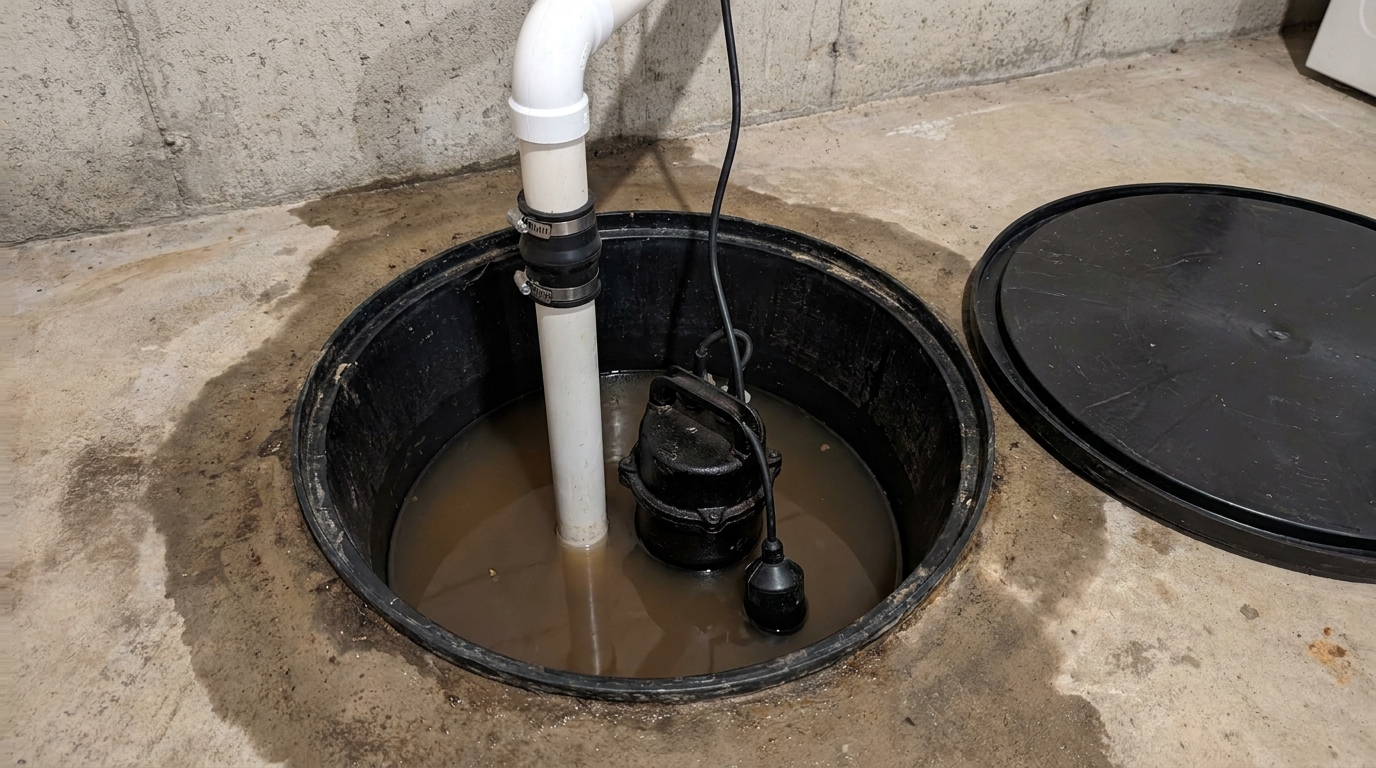
Power. Sump pumps usually sit on a GFCI outlet, and a GFCI trips. Check the outlet and the breaker before assuming the pump is dead. If the storm took your power, the pump stopped when the lights did — one homeowner described waking to a flooded basement and a pump "working overtime" only once the power returned.
The float. The float is the switch. Wedged against the basin wall, tangled in its own cord, or failed, and the pump never learns the water is there. Test a working one by pouring a bucket of water into the pit and listening for the motor, rather than reaching in to lift the float by hand. One commenter troubleshooting a dead pump named the likely culprits plainly: "It could be something like the float switch, or the motor died."
The discharge line. The failure almost nobody writes about, because a pump can run perfectly and still lose. A homeowner who had already upgraded his pump found the problem downstream: "It didn't fail. It kept pumping water. But I think the biggest culprit was this smaller diameter tube that pumps the water out. Just wasn't enough." Check the line is not blocked or crushed, and check where it ends — a discharge dumping beside the foundation feeds the same water back to the drain tile it came from. Two homeowners we read gave the same advice independently — run the hose "far away enough from the house so it doesn't come back in your drain tile."
Backup. A pump with no battery backup only works when the grid does. In the county towns around us that cuts twice, because a power failure takes the well pump out alongside the sump pump.
Two of those you can settle in an afternoon. If it is the pump or the pipework, that is a plumber's call — a plumber fixes the pump, we dry the house. Doing our half before the water stops means doing it twice.
How Do You Document a Flooded Basement Claim in Johnson City?
Whether a basement flood is covered depends on how the water got in and on your specific policy — a conversation for your agent, not something we would guess at. What we can tell you is what to capture, because that window closes the moment you start cleaning.
Photograph and film before you move anything: where the water came in, the waterline on the wall, the floors and walls, the furnace and water heater, and every damaged belonging. Then photograph the outside where you think it entered.
Homeowners who have been through it add a layer the insurance checklists leave out, and two separate people we read arrived at it independently — track your own hours and keep the receipts. One put it as "keep track of your hours cleaning up, any dump fees that you incurred if you took stuff to the dump." The other, filming his own basement, logged hours and spending as he went.
One rule outranks the rest: photograph things before they go, and ask what documentation is needed before you discard anything. After a regional storm crews can be days out, and by then the evidence is at the dump. We will say the obvious thing too, because it shapes how we work: we work for you, not for your insurance carrier.
Get Your Quote
Ready to handle this with a pro?
You're reading about How Do You Get Standing Water Out of a Johnson City Basement. Get a fast quote for water damage restoration service in Johnson City, TN from Conrad's Water Damage and Fire Restoration.
How Do You Get Standing Water Out of a Johnson City Basement?
Once an electrician has cleared the power to come back on and the source has stopped, unflooding a basement is mostly patience and the right tool. Until then, a rented pump or wet/dry vacuum runs off a generator outside rather than the basement circuit, and whoever runs it wears rubber boots. One counter-intuitive rule can save you a wall. The American Red Cross's cleanup guidance says to "pump out flooded basements gradually (about one-third of the water per day) to avoid structural damage," and explains why: "If the water is pumped out completely in a short period of time, pressure from water-saturated soil on the outside could cause basement walls to collapse." That applies when the ground outside is saturated. If a supply line upstairs put the water there and the soil is dry, pump it out and get on with it.
A rented submersible pump and a hose is fastest for anything deep, and a wet/dry vacuum handles the last inch and the corners. Buckets sound primitive and are not — one homeowner made the point that they move bulk water faster than a shop vac, which earns its place afterward on puddles and water under trim.
Two rules travel with the equipment. Never run an electrical appliance while standing in water. And if you are using a gasoline pump or generator because the power is out, CDC and EPA give the same distance: outside, at least 20 feet from any door, window or vent, never in a basement or garage even with the doors open.
How Long Do You Have to Dry a Johnson City Basement Before Mold?
The number is 24 to 48 hours, and it comes from EPA. Its flooded home guidance states it as an assumption rather than a risk: "You should assume you have mold growth if you were not able to dry your flooded home, including furniture and other belongings, within 24–48 hours."
In East Tennessee that clock runs fast. A humid July afternoon is not drying weather, and opening every window can move damp air in rather than out. Mold and mildew do not need a leak here — only a warm surface that stays wet.
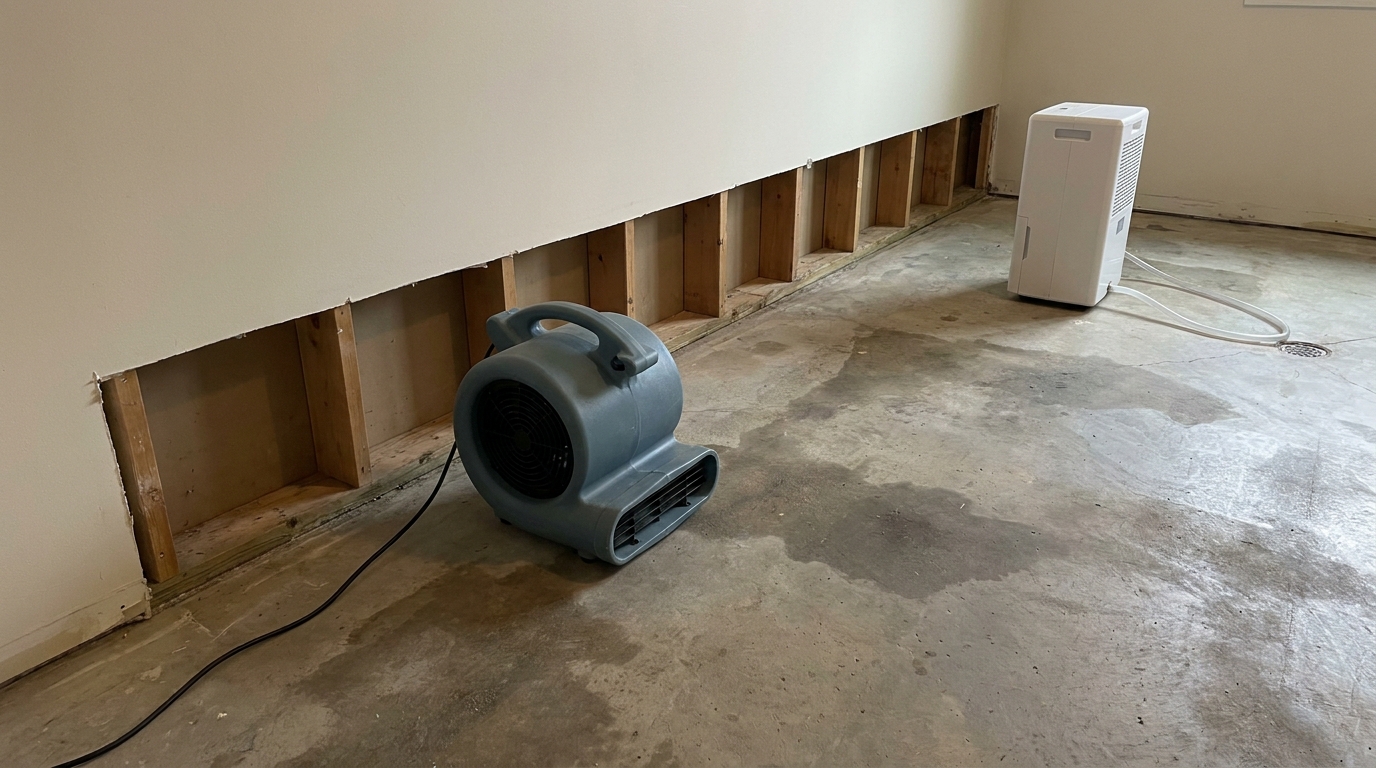
Getting inside the window usually means taking things out, not just running fans at them. Put on an N95 respirator, goggles and gloves first, which is EPA's minimum for working in a flooded home:
Carpet and pad come out. Pad holds water and will not dry in place underneath carpet.
Baseboard comes off. Most is MDF; one homeowner described his as "soggy."
Wet drywall gets cut back above the waterline, so the cavity and studs can dry. For flood water, Red Cross goes further and says to remove all drywall and insulation it touched.
Look under the finishes. The same homeowner found water trapped between his underlayment and his vinyl plank across nearly the whole floor.
Run air movers and a dehumidifier together, and point fans at a window or door to blow air outward — CDC is specific that fans blowing inward can spread spores. If you can already see growth, stop the fans. Leave the HVAC off if it was flooded, since running it distributes the problem through the house, and keep it off until a service professional experienced in mold cleanup has checked and cleaned it. A furnace or water heater that stood in the water gets the same check before anyone relights a pilot or plugs it back in.
And do not trust your hand. Concrete and framing read dry at the surface long before they are, which is why we verify with meters and bring drying equipment that pulls moisture out of framing and subfloor rather than out of the air alone.
When Should You Hire Help for a Flooded Basement in Johnson City?
Plenty of flooded basements are genuinely a homeowner job, and we would rather say so than pretend otherwise. An inch or two of clean water on a bare slab, in an unfinished basement with nothing porous in it, caught the same day — rent a dehumidifier and some fans and you are done.
On cost, we have no pricing to quote you, and any national average you find is describing a different house. As one data point: a homeowner in Illinois posting for advice about a 400-square-foot concrete basement weighed a roughly $1,400 professional quote for three days of drying with antimicrobial treatment against about $700 to rent four fans and a dehumidifier for the same three days. Those are his numbers for his basement — not ours, and not a market rate. The gap is the honest shape of the question: equipment is most of the cost either way, and the difference buys someone who knows when it is dry.
The line moves when any of these are true:
The water was sewage, or you cannot identify it. Not a judgment call.
It reached finished walls, insulation or a subfloor. Once it is inside the assembly, basement cleanup is no longer a surface task.
It traveled. Water runs along framing and under flooring, and the wet spot is rarely the edge of the damage.
It has been sitting for days, or you cannot get it dry inside the window above.
You cannot find where it came in. The cause outlives the cleanup.
Plenty of people do not ask the internet what to do — they ask who to call. The same triage described here is what we run on the water damage calls in Kingsport and across the rest of the Tri-Cities, and part of that call is telling you when you do not need us.
Get Your Quote
Ready to handle this with a pro?
You're reading about How Do You Prevent the Next Basement Flood in Johnson City. Get a fast quote for water damage restoration service in Johnson City, TN from Conrad's Water Damage and Fire Restoration.
How Do You Prevent the Next Basement Flood in Johnson City?
Most repeat floods have an outdoor cause and an indoor symptom. CDC's prevention advice is two lines of plumbing-free common sense: "rainwater from gutters or the roof should drain away from the house; the ground around the house should slope away from the house to keep basements and crawl spaces dry." It adds that crawl spaces need drainage of their own — which matters in a region built largely on crawlspaces and partial basements.
Working outward from the foundation:
Gutters and downspouts. One clogged or broken section pours a roof's worth of rain down a single spot of wall. The ten-foot downspout target comes from State Farm, and SERVPRO's basement-flooding write-up repeats it. SERVPRO's own gutter guide asks for at least three to four feet, so treat ten as the goal and four as the floor. One first-time flood we read about began with a gutter that broke days earlier.
Grade. Soil settles over decades. Check whether the ground has sunk toward the wall since the house was built.
Test the pump before you need it. Pour a bucket into the basin and confirm it kicks on and shuts off.
Add the backup you did not have. A battery backup pump, and a floor-level water alarm that sounds when it gets wet.
Check the floor drain. In older houses the check valve that stops a storm drain backing up can rust away unnoticed. One homeowner found his 1936 house had lost its years ago.
That older housing stock is why prevention here is a local question, not a generic checklist. Rock and block foundation walls, decades of settled grading, and summer storms arriving faster than the ground can take them are what actually causes water damage in Johnson City homes.
The Bottom Line
If you take one page of this with you, take this much:
Power first, from a dry spot. CDC: never turn power on or off, or use an electric tool, while standing in water. If the panel is in the water, that is an electrician's job.
Then gas. Rotten eggs, hissing, or a pilot out means leave and call from outside.
Stop the water before you remove the water, or you will do this twice.
If you have a sump pump, triage it: power and breaker, float, discharge line, backup. The pipe can fail while the pump runs fine.
Photograph everything before you touch it, and log your hours and receipts as you go.
Pump gradually when the ground outside is saturated — Red Cross says about one-third per day, because that soil pressure is holding your walls.
24 to 48 hours. EPA's position is to assume mold beyond it. Pull carpet and pad, cut back wet drywall, verify with a meter rather than a hand.
Call someone for sewage or unidentified water, anything that reached insulation or subfloor, water that traveled, or a basement wet for days.
If you are past the point where a rented fan fixes it, we answer the phone around the clock, day or night, holidays included, and Johnson City sits inside our emergency services 60 minute response time. We will also tell you on the phone when what you have is a wet floor and a dehumidifier, not a job for us.
Conrad's Restoration Team
Water, Fire & Mold Restoration Crew
The restoration crews at Conrad's Water Damage and Fire Restoration handle water, fire and mold damage across Johnson City, the Tri-Cities and the Knoxville corridor. Someone answers the phone day or night, holidays included.
Related Posts
What to Do When Pipes Freeze in Your Bristol, TN Home
A trickle instead of a stream on a cold Bristol morning usually means a frozen pipe. Here is how to tell, how to thaw it safely, what to do the moment one bursts, and why a burst pipe often stays silent until it thaws.
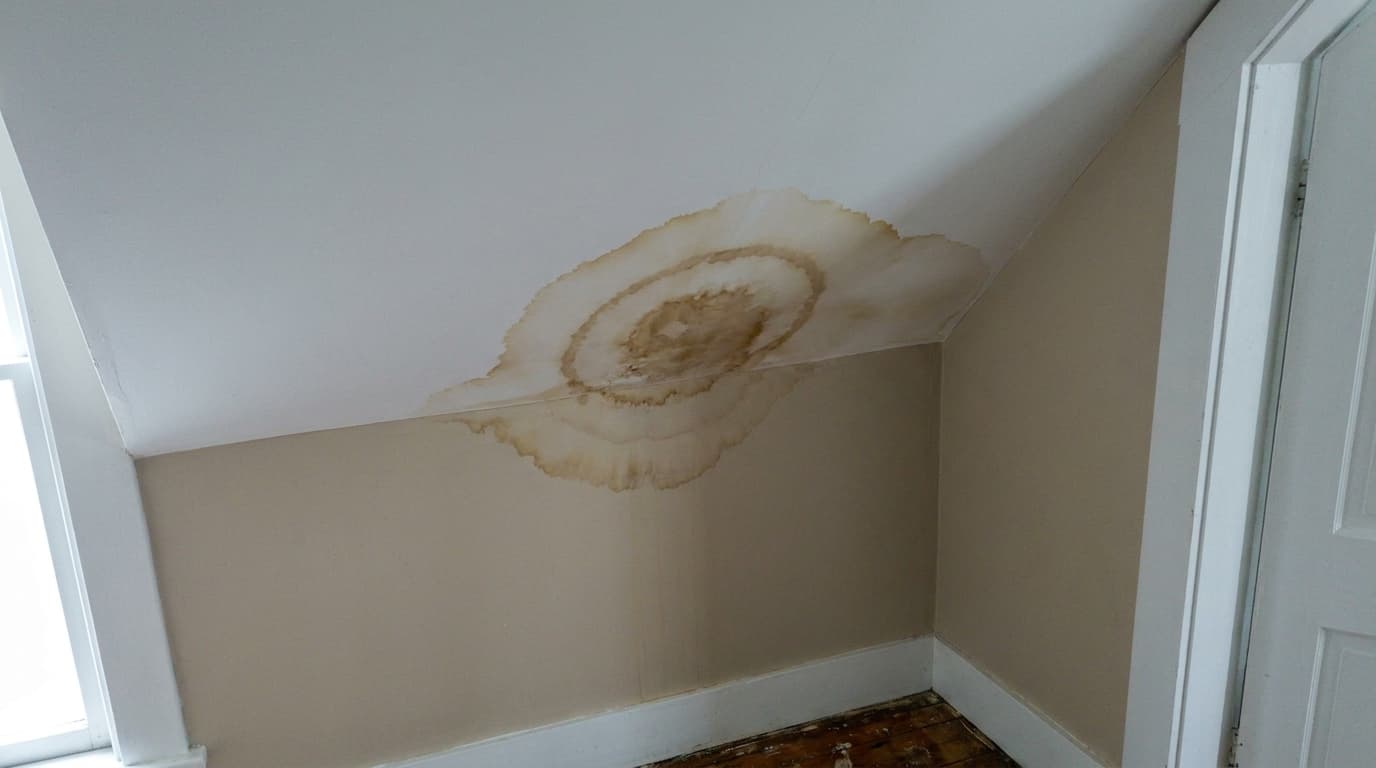
Ceiling Water Damage in Kingsport: Signs, Causes, and Fixes
A brown ring proves water was there. It does not prove water is there now. How to read a Kingsport ceiling stain, and when primer is the wrong answer.
Does Homeowners Insurance Cover Water Damage in Knoxville?
Most water claims are decided by one question: how the water got out, and how long it had been getting out. Here is what a Knoxville homeowners policy generally covers, what it almost never touches, and what to document before the adjuster arrives.