
Does Homeowners Insurance Cover Water Damage in Knoxville?
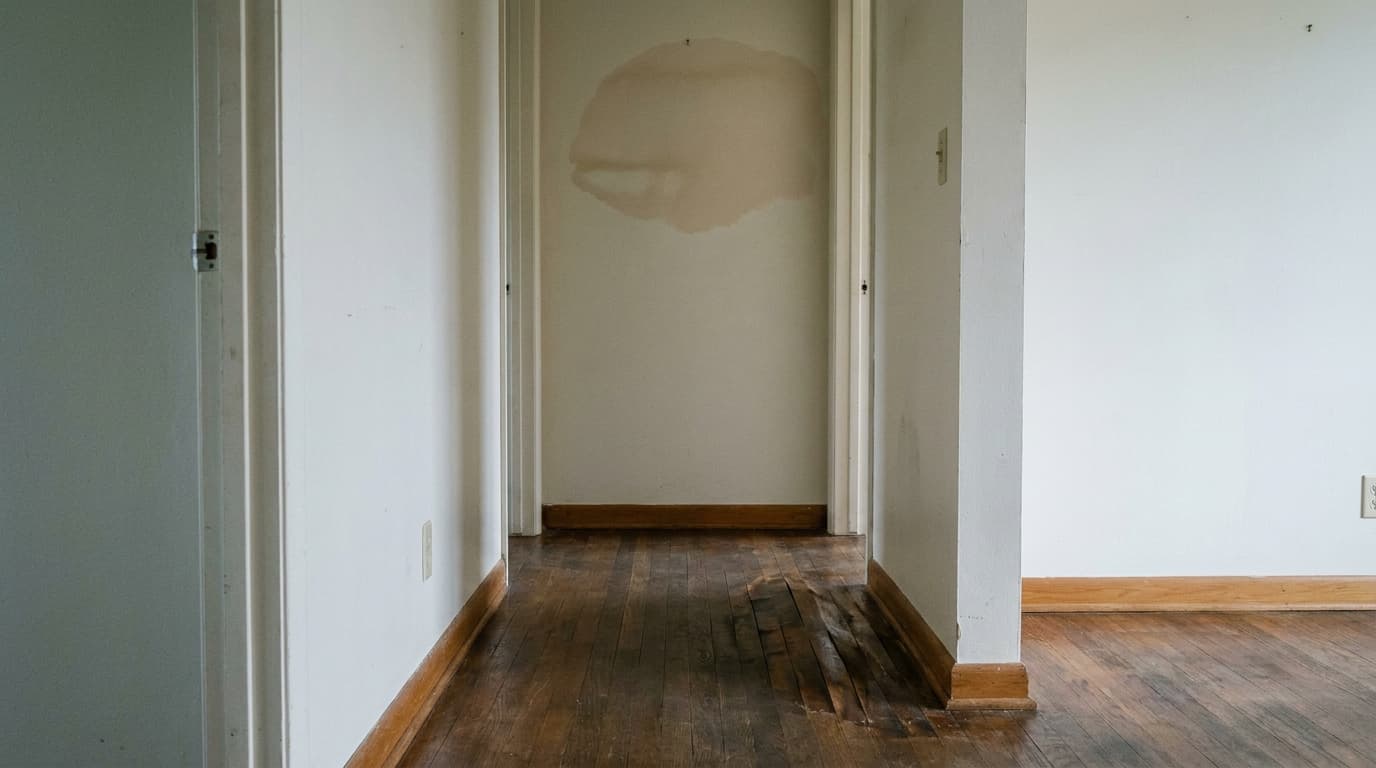
A pipe lets go under the house, a water heater splits, a supply line behind the washing machine finally gives out. The water is bad enough. Then comes the second question, and for most people it is the one that keeps them up: is any of this covered?
We do water damage restoration in Knoxville homes, so we sit on the homeowner's side of that question routinely. Here is the honest version of how homeowners insurance treats water, what it almost never touches, and what you can do early that makes the difference later. A few industry figures appear below, each named where it comes from; none of it is our pricing.
One thing first. No two policies are identical, and yours is the only document that decides your claim. Everything here describes how these policies generally work.
Get Your Quote
Ready to handle this with a pro?
You're reading about What Water Damage Does Homeowners Insurance Cover in Knoxville. Get a fast quote for water damage restoration service in Johnson City, TN from Conrad's Water Damage and Fire Restoration.
What Water Damage Does Homeowners Insurance Cover in Knoxville?
A standard homeowners policy answers water damage from two separate pockets. Dwelling coverage handles the structure: drywall, subfloor, framing, cabinets. Personal property coverage handles what was in the room when the water arrived. They carry different limits, sometimes different deductibles, which is why a claim can be approved and still leave a bigger gap than expected.
What decides whether either pocket opens is not how much damage there is. It is how the water got out. The phrase to look for is sudden and accidental: water that escapes all at once and without warning, usually from a pipe, appliance, or fixture inside the house.
Generally covered
Generally not covered
A supply pipe that bursts
A slow leak that ran for weeks before anyone noticed
A water heater that ruptures
The failed pipe, hose, or appliance itself
A toilet or tub that overflows
Damage traced to deferred maintenance or wear
A washing machine hose that breaks
Flooding of any kind, from any source
Rain entering through storm damage to the roof or walls
Water backing up through a sewer or floor drain
Mold that follows a covered water loss, often capped
Mold following a gradual leak or a flood
One line in that second column deserves a sentence of its own: the policy pays to repair what the water ruined, not to replace the part that failed. If a twenty-year-old supply line under a Bearden ranch splits and soaks the floor, you can generally expect help with the floor and not with the line. Allstate's own consumer guidance says the same in plainer words, and it is a misunderstanding we hear on a lot of first calls.
For scale, the Insurance Information Institute reports that about one in 60 insured homes has a property damage claim caused by water damage or freezing each year, and puts the average water damage and freezing claim at $15,400 as a weighted average across 2019 to 2023. Those are national industry figures, not an estimate for your house.
Why Does the Sudden-vs-Gradual Line Decide a Knoxville Water Claim?
Most of the denied water claims we see come down to one argument: how long had this been happening?
Policies carve out water that escapes over time, and the wording varies in ways that matter. Many forms name a number, and 14 days is the common one, excluding continuous or repeated seepage that runs that long or longer. Some name no number at all and simply exclude leakage developing over a period of time, which leaves far more room for interpretation. Two houses with the same broken pipe can land differently on that wording alone.
The Texas Department of Insurance, a state regulator explaining how these policies generally work, puts the covered side plainly: most homeowner and renters policies cover sudden and accidental water damage, with a burst pipe, a toilet overflow, or a broken washer hose as the examples, and usually will not cover damage from gradual leaks.
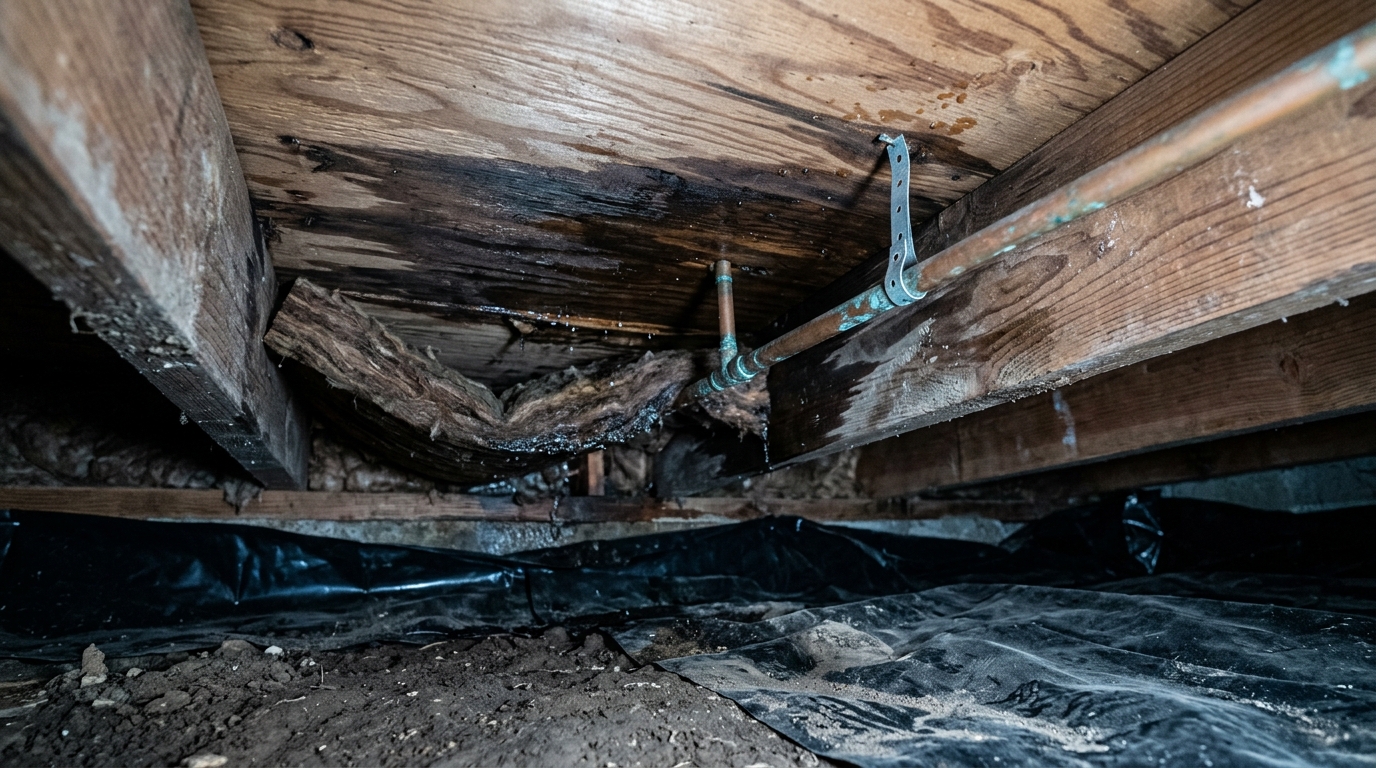
Nobody can rewind the tape, so the materials settle it. Swollen subfloor, a joist gone soft rather than merely dark, established mold with a real footprint: those read as time. Fresh saturation, clean tide lines, and framing that is wet but sound read as sudden.
Two things about East Tennessee make that reading harder than it should be. Most of our older housing stock sits on a crawlspace, so supply and drain lines run where nobody looks from one season to the next. And our summers are humid enough that wet material grows mold quickly, so the evidence a leak is old can appear faster than the leak actually is. A homeowner in Fountain City or Farragut can find a leak the week it starts and still be looking at a crawlspace that photographs like a slow one.
This is where the popular advice online goes somewhere we will not follow. One of the most-watched videos on water damage claims coaches homeowners on the exact words to use with an adjuster, timing included. We would rather say it straight: describe what actually happened, in the order it happened. A misdescription on a claim is not a tactic, and it can cost you the claim entirely. The related rule is that a policy is not a home warranty. Damage a carrier can tie to deferred maintenance, or to a leak somebody knew about and left alone, is generally excluded even when the failure felt sudden to you.
Is Flood Damage Ever Covered by Home Insurance in Knoxville?
No. Not by a standard homeowners policy, and not by adding a rider to one. It is the hardest fact here and the least ambiguous.
Flooding means water arriving from outside and below: a creek over its banks, saturated ground, water moving across the surface into the house. That whole category sits outside the homeowners policy. The Tennessee Department of Commerce and Insurance lists damage as the result of a flood among the events typically not covered by a standard homeowners policy, alongside water damage from backed-up drains or sewers.
The same Tennessee guidance names a carve-out most people have never heard of. Interior water damage from a storm, when there is no damage to the roof or walls of the home, is typically not covered either. Wind takes shingles off and rain comes through the hole: generally a covered path. Rain finds its way in through an envelope the storm never broke: usually not.
Flood coverage is a separate policy, most often through the National Flood Insurance Program. Two details are worth knowing before you need them. Coverage normally takes effect 30 days after purchase, with a short list of exceptions tied to mortgages, renewals, and newly mapped flood zones. And its homeowner policies cover buildings up to $250,000 and contents up to $100,000, bought separately and carrying separate deductibles. Knoxville sits along the Tennessee River with creeks running through neighborhoods across the county, and the corridor out through Farragut, Maryville, and Oak Ridge is no different. Ask an agent whether your street floods a month before the answer matters.
Get Your Quote
Ready to handle this with a pro?
You're reading about What About Sewer Backups and Mold in a Knoxville Policy. Get a fast quote for water damage restoration service in Johnson City, TN from Conrad's Water Damage and Fire Restoration.
What About Sewer Backups and Mold in a Knoxville Policy?
These two belong together: both are usually add-ons rather than things a standard policy includes.
Water backing up through a sewer line or a floor drain is excluded on a standard policy. Most carriers sell water backup or sewer backup coverage as an endorsement for additional premium. If nobody has walked you through your endorsements, ask about this one first, particularly on an older Knoxville home whose lateral to the street has been in the ground a long while. Backup water is contaminated, which is why sewage cleanup after a backup is its own category of work.
Flood insurance treats backups by cause. A sewer that backed up during a heavy rainstorm may fall under a flood policy; one caused by clogged pipes generally does not. That distinction comes straight from the National Flood Insurance Program's explanation of what its policies reach.
Mold follows a simpler rule than most homeowners assume, and it is worth stating carefully. Mold coverage is decided by the cause of the water, not by the mold. Mold growing out of a covered loss is generally covered, though many policies cap what they pay for it and some require an endorsement before they pay anything. Mold from a gradual leak is generally not covered, because the leak was not. Mold after a flood is not covered by a homeowners policy, because the flood was not either.
The Texas regulator says it in a line worth remembering: most home policies do not include mold cleanup and testing, and your company may let you add coverage for cleanup caused by a covered loss. Whether the resulting mold remediation work gets paid by a carrier or out of pocket is a separate question from what that work costs, and it turns entirely on which pipe failed and how long ago.
How Should a Knoxville Homeowner Document a Water Damage Claim?
This is about the claim file built over the weeks after a loss, not the first frantic hour. Five things carry most of the weight.
Report it promptly. Tennessee's insurance department notes your policy may require notification within a certain time frame. Texas puts a sharper edge on it: you usually must report water damage that was hidden from view within days after you first see it. Discovery starts the clock, not the leak.
Photograph and film before anything moves. Make a list of damaged property. Capture the source, the spread, and each damaged item, before the first repair.
Do not throw anything away. Both states' guidance says the same: keep damaged property for the adjuster to inspect. A carpet at the landfill is a line item nobody can verify.
Temporary repairs yes, permanent repairs no. Tarp the roof, cover the broken window, stop the water from doing more. Hold off on permanent work until the carrier has seen the damage and you have agreed on the cost of repairs. Keep every receipt.
Keep a record of the house, not just the loss. Tennessee's guidance says to be prepared to give the adjuster a record of any improvements made prior to the damage. That repipe, that water heater replacement, that plumber's invoice from two years ago is evidence the house was maintained, and on a water claim it does real work.
Add one habit that costs nothing: log every conversation. Tennessee's guidance recommends noting the name of the person you spoke with, the day, the time, and what was said. On a claim that runs months, that log is the only version of events with dates attached.
Who Does the Adjuster Work for on a Knoxville Water Claim?
Plainly: the adjuster your carrier sends works for your carrier. They work from your policy language and their company's estimating standards, and their job is to determine what the policy owes. That is not a scandal; it is the arrangement, and knowing it changes how you prepare rather than how angry you get. One thing worth setting aside: commenters who say they work in claims report there is no bonus for paying less, and that consistently underpaying claims is what gets a carrier in trouble with a state insurance department.
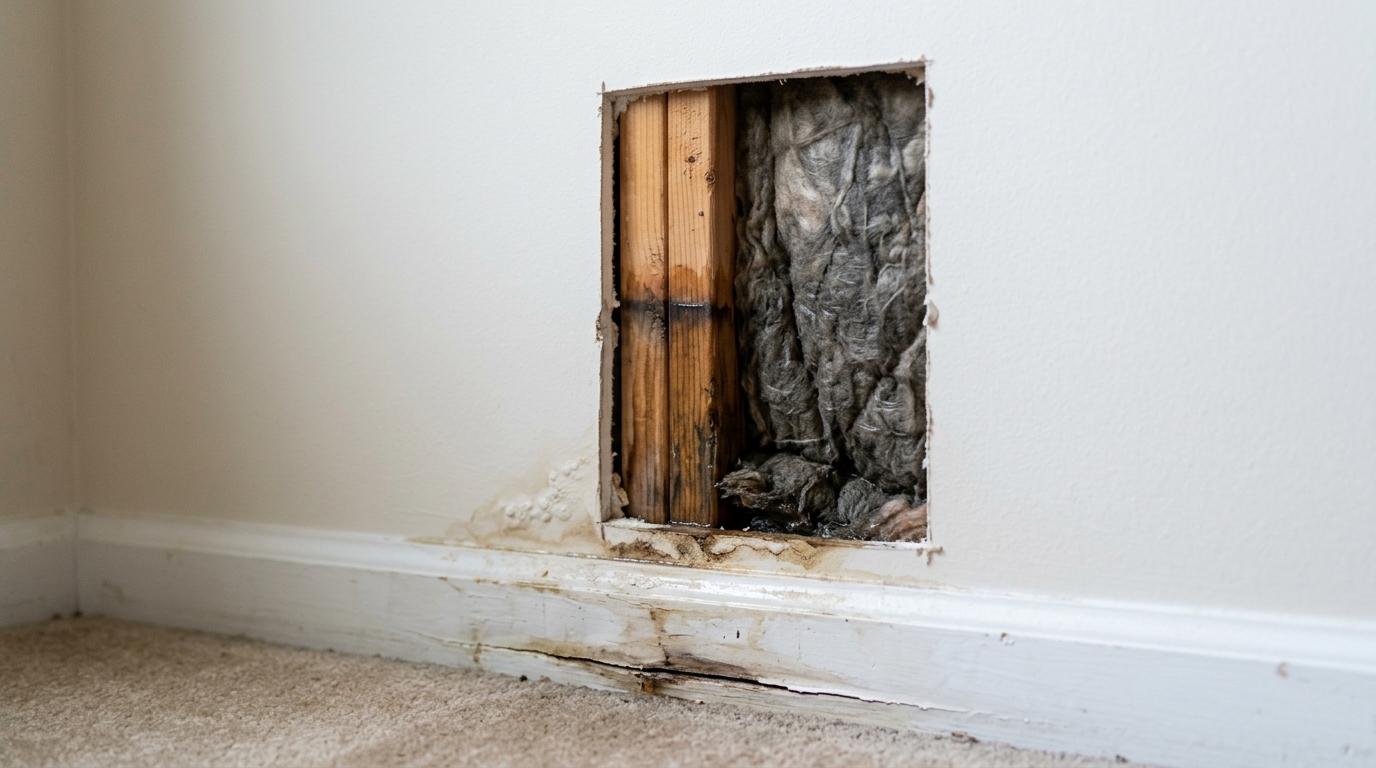
The real gap is narrower and more fixable. An adjuster can only write for what they can see on the day they visit. Water travels through wall cavities, under flooring, and along a crawlspace vapor barrier, and much of what a water loss damages is invisible during a walkthrough. So the argument that matters is rarely about the number. It is about the scope: which rooms, which assemblies, how many days of drying, what comes out and what can be dried in place.
When an estimate looks low, read the scope line by line rather than react to the total. Is the flooring the right type and quantity? Does removal appear as well as replacement? Is the drying equipment written for the class of loss that actually occurred? Closing that gap is genuinely part of our job: moisture readings across the affected area, daily drying logs, photographs of what was behind the wall, and a line-item scope an adjuster can reconcile against their own. Structural drying to a documented dry standard produces that paper trail as a side effect, and it is frequently what settles a scope disagreement.
One term to learn before you need it: replacement cost value versus actual cash value. Replacement cost pays to replace what you lost; actual cash value pays its depreciated value. Which one your policy carries can matter more to your out-of-pocket total than anything the adjuster writes down.
There is also a public adjuster route. Public adjusters work for the policyholder rather than the carrier and take a percentage of the settlement, and opinion on whether that is worth it is genuinely split. We will not tell you to hire one; we will tell you the option exists and the percentage is real. If you believe a denial was unfair, Tennessee homeowners can file a complaint with the state's Department of Commerce and Insurance. And here is the part that shapes how we work: we are hired by you, not by your carrier, and our scope reflects what we find in your house.
Get Your Quote
Ready to handle this with a pro?
You're reading about Bottom Line. Get a fast quote for water damage restoration service in Johnson City, TN from Conrad's Water Damage and Fire Restoration.
Bottom Line
Homeowners insurance in Knoxville generally covers water damage that is sudden and accidental — usually a pipe, appliance, or fixture letting go inside the house — and generally will not cover water that escaped gradually, damage tied to deferred maintenance, or the failed pipe or appliance itself. Flooding is not covered by a standard homeowners policy and needs separate flood insurance, most often through the National Flood Insurance Program, whose coverage normally takes 30 days to take effect. Sewer and drain backups are excluded on a standard policy unless you have added the backup endorsement most carriers sell. Mold coverage follows the cause of the water, is often capped, and sometimes needs its own endorsement. Mold from a gradual leak is generally not covered, and mold that follows a flood is not covered at all, because the flood itself was not.
What you control is the record: report promptly once you discover it, photograph before anything moves, keep damaged property until the adjuster has seen it, make only temporary repairs, keep your receipts, log your calls, and hold on to proof the house was maintained. Read the scope rather than the total, and know whether your policy pays replacement cost or actual cash value.
If water is moving through your house in Knoxville, Farragut, Maryville, or anywhere across the corridor, call us. Someone answers day or night, holidays included, and we reach homes across the Knoxville corridor the same day. We document what we find from the first hour, because that record belongs to you.
Conrad's Restoration Team
Water, Fire & Mold Restoration Crew
The restoration crews at Conrad's Water Damage and Fire Restoration handle water, fire and mold damage across Johnson City, the Tri-Cities and the Knoxville corridor. Someone answers the phone day or night, holidays included.
Related Posts
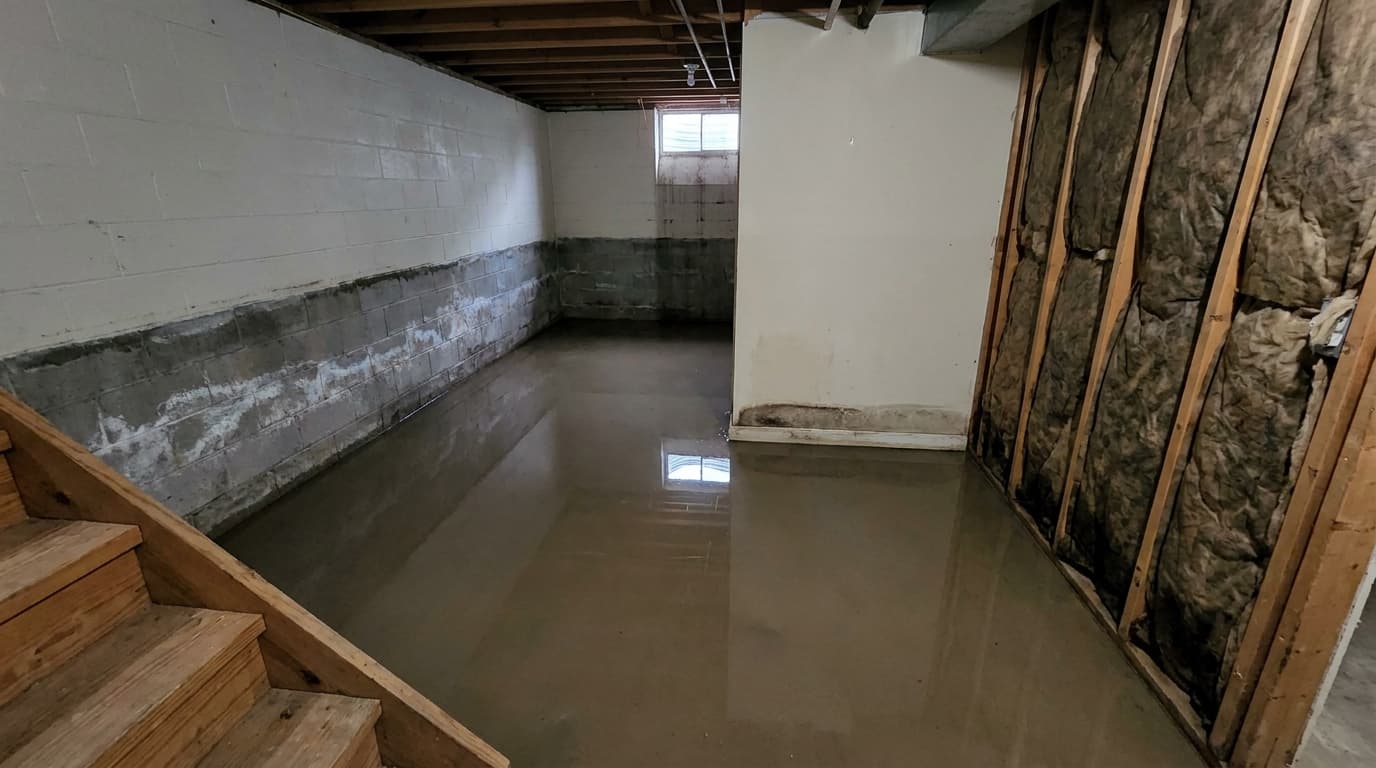
Flooded Basement in Johnson City, TN? What to Do First
Water in your Johnson City basement? Power and gas come first, then stopping the source, then the sump pump check almost nobody writes about.
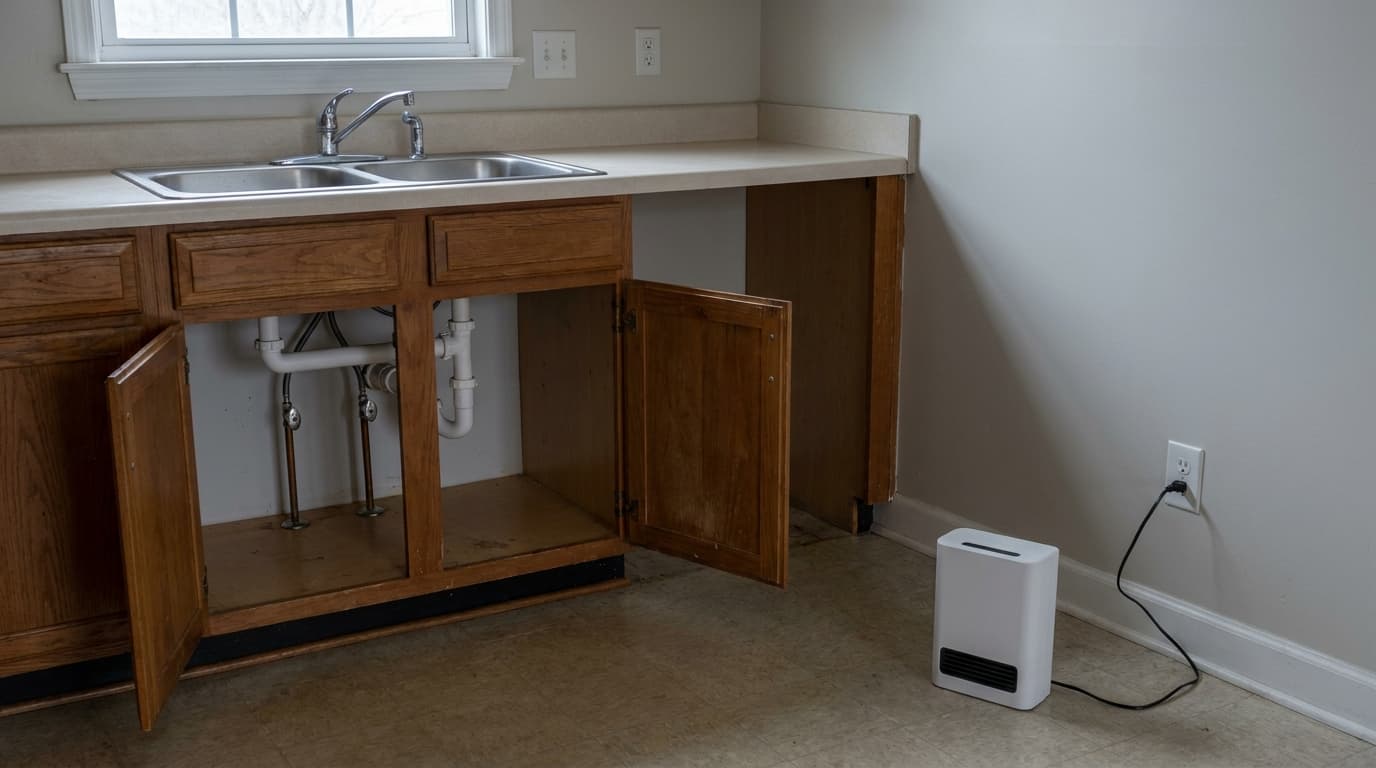
What to Do When Pipes Freeze in Your Bristol, TN Home
A trickle instead of a stream on a cold Bristol morning usually means a frozen pipe. Here is how to tell, how to thaw it safely, what to do the moment one bursts, and why a burst pipe often stays silent until it thaws.
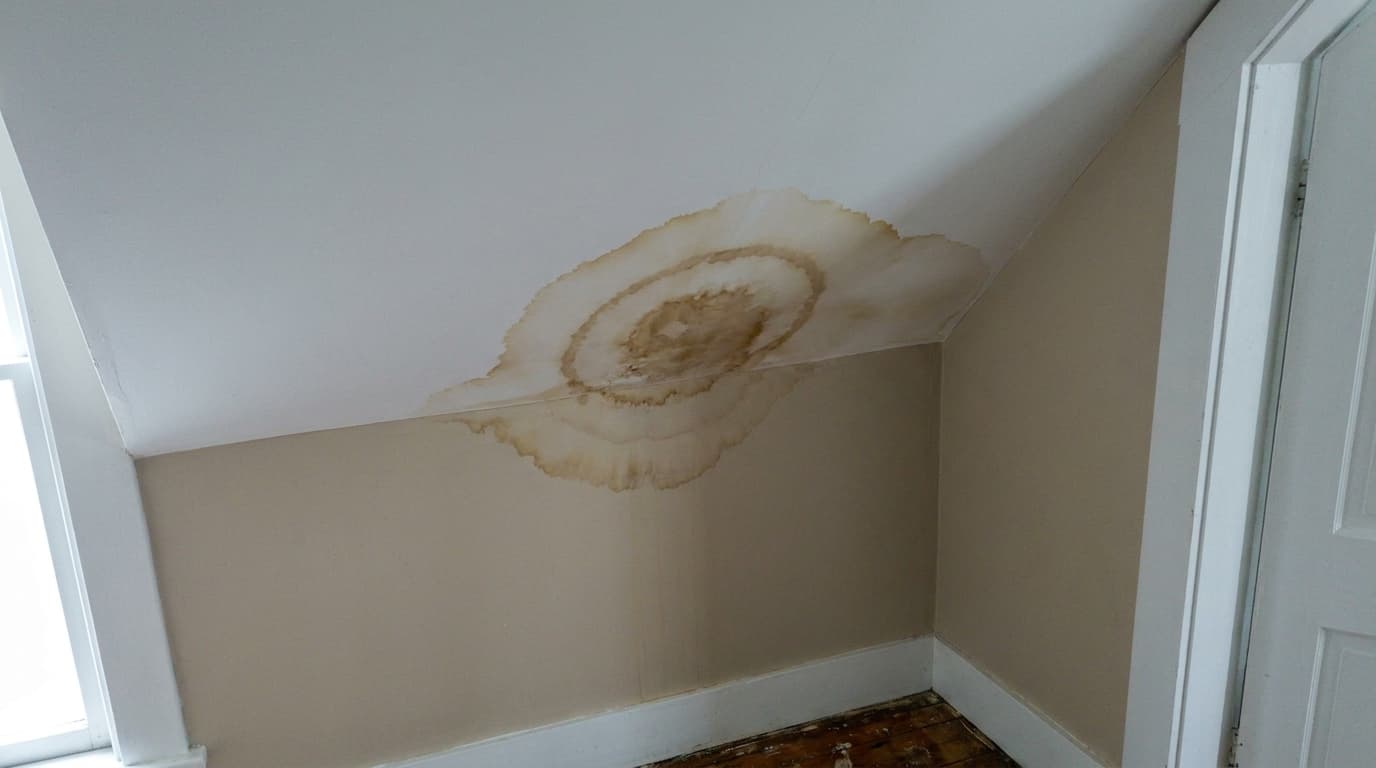
Ceiling Water Damage in Kingsport: Signs, Causes, and Fixes
A brown ring proves water was there. It does not prove water is there now. How to read a Kingsport ceiling stain, and when primer is the wrong answer.