
What to Do After a House Fire in Johnson City, TN
If you are reading this from a neighbor's kitchen table, the fire is out and the days ahead are a list nobody prepared you for. This is that list, in the order the days take it.
Most of it is not our work. It is yours, much of it costs nothing, and one or two items carry a deadline nobody will remind you about. Our part starts later, at the securing and the cleaning, which is the fire damage restoration side of the job. We reach Johnson City houses on the morning after, so the order is what we know best. None of this is legal or claims advice — your policy and your adjuster decide what your policy does.
Get Your Quote
Ready to handle this with a pro?
You're reading about What Are the First Steps After a House Fire in Johnson City. Get a fast quote for water damage restoration service in Johnson City, TN from Conrad's Water Damage and Fire Restoration.
What Are the First Steps After a House Fire in Johnson City?
The American Red Cross puts the first hours in four lines, and they are the right four: "Call 9-1-1. Give first aid where needed; cool and cover burns to reduce the chance of further injury or infection." Let friends and family know you are safe. Get seriously injured people and animals to medical or veterinary care. And stay out of the house until the fire department says otherwise.
After that, four things before you sleep.
Open the insurance claim. Not settle it. Open it, and write down the claim number and the adjuster's name. People let this slide for weeks, and nothing good comes of the delay.
Ask the fire department for the incident report number. The written report follows later; the number is what everyone else will ask for.
Tell the people with a legal interest. If you rent, your landlord. If you own, your mortgage lender. If your cards burned, the issuers.
Start a receipts pile. A hotel, a phone charger, a change of clothes. Keep every one.
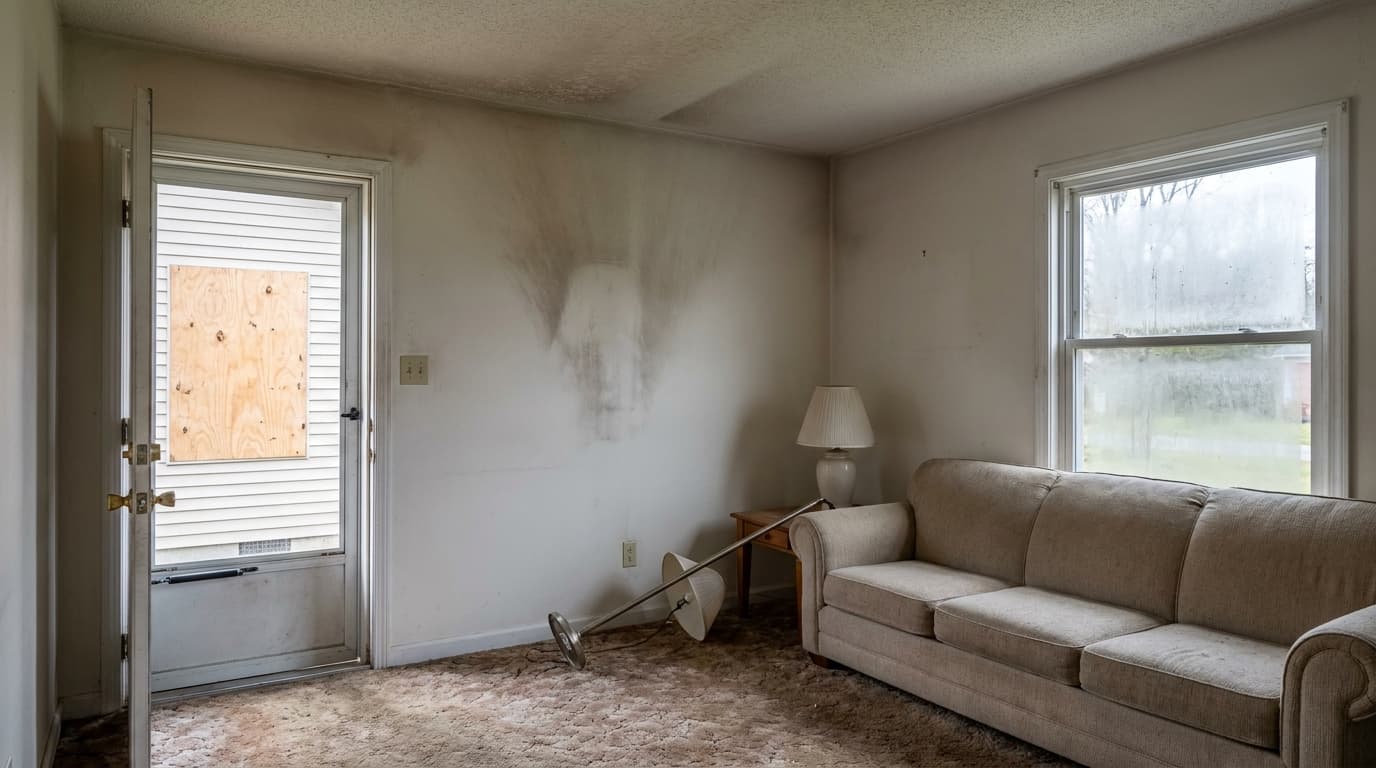
Then brace for the house in daylight, because it will look worse than the fire was. Crews break windows and cut holes in roofs and walls to reach fire hidden inside the structure. One homeowner whose cooking fire stayed in the kitchen described firefighters ripping out the hood, the stove, the ceiling and the cabinets to be certain it was out. That is a crew doing its job, not damage done to you.
How it started is a question for the report, not for tonight. The causes that turn up most often in East Tennessee homes are the ordinary ones, and we have written about them elsewhere.
How Do You Know It's Safe to Re-Enter After a Johnson City Fire?
You do not decide this, and that is the honest answer to the question people search hardest. The Red Cross line is: "Stay out of fire-damaged homes until local fire authorities say it is safe to re-enter." The U.S. Fire Administration says it from the other side, in its booklet for homeowners: "Do not enter your damaged home or apartment unless the fire department says it is safe."
The reason is not only smoke. Structure is the big one, and the booklet puts it in a sentence worth reading twice: "Floors and walls may not be as safe as they look." A floor that carries your weight in the hallway may not carry it over a joist the fire reached from below.
Utilities are part of that clearance, and they are an easy thing to get wrong. The fire department checks whether water, electricity and gas are safe. If they are not, firefighters disconnect them before they leave, and the federal guidance on what happens next is one line: "Do not try to turn them back on by yourself." Restoring them is the utility's call, not yours and not a helpful neighbor's.
So how long? Long enough for someone qualified to walk it, which depends entirely on how far the fire went and what it went through. Nobody can give you that date over the phone. Airing the place out does not move it either, because ventilation is not what the clearance is about. Getting the smell out afterward is a separate, slower project, and it is not this article. When you do go back, go in daylight and with someone. Look at the outside first for loose power lines and damaged gas lines, do not force a door that has jammed, carry a flashlight rather than any open flame, and if you smell gas or hear hissing, leave at once and call the fire department from a safe distance.
How Do You Handle the Insurance Call After a Johnson City Fire?
Have four things in front of you: your policy number, the address, the date and time, and the fire incident number if you have it. Then ask what the Insurance Information Institute says to ask on that first call — whether the damage is covered, how long you have to file, whether the claim exceeds your deductible, and whether you will need repair estimates. Add two from the federal booklet: what you should do to keep the house safe until it is repaired, and whether you or your insurer pays for the cleaning. And whatever anyone quotes you for cleaning or restoration, the U.S. Fire Administration's instruction is to "be sure to ask for a cost estimate in writing."
People search for what insurance pays out when a house burns down, and there is no number to give, because the number is not the mechanism. Policies are usually built as three buckets: the structure, your belongings, and the cost of living somewhere else, which your policy may call additional living expenses or loss of use. What you get from each depends on your limits and which of two settlement types you bought. Triple-I draws the line plainly — replacement cost pays what it takes to replace an item with one of similar kind and quality without deducting for depreciation, while actual cash value pays that amount minus depreciation. That distinction, not the headline coverage figure, is what most people find out too late.
The deadline is real but generous: Triple-I notes that most policies require a claim to be filed within one year of the loss. Your adjuster is a person with a heavy caseload, not an adversary, and the people who get stuck are usually the ones who never filed.
One homeowner with a kitchen fire wrote that they were afraid to claim what they actually needed, in case the carrier dropped them afterward. That is a question for your agent, and it turns on your carrier and your history. What we will say is that we work for you, not your insurance carrier, and the scope we write is what the building needs.
Get Your Quote
Ready to handle this with a pro?
You're reading about How Do You Secure a Fire-Damaged Johnson City Home. Get a fast quote for water damage restoration service in Johnson City, TN from Conrad's Water Damage and Fire Restoration.
How Do You Secure a Fire-Damaged Johnson City Home?
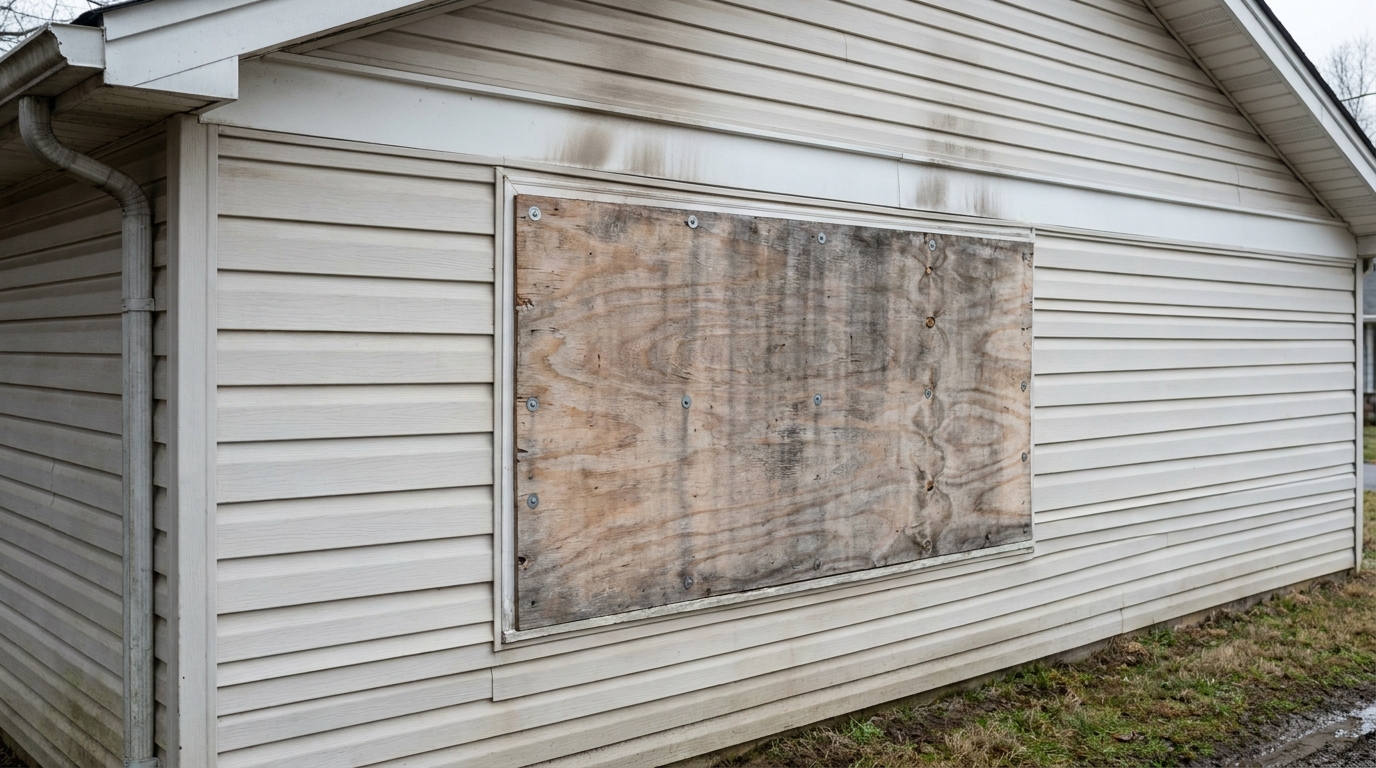
A fire leaves a house open: broken windows, a cut roof, a forced door. The federal guidance is direct. "Contact your police department to let them know you will be away from your home. In some cases, you may need to board up windows and doors so no one can get in." One commenter's account of the night after a fire is shorter than that: looters came and took everything metal.
This is also your own obligation, not just good sense. Triple-I's guidance is to "take reasonable steps to protect your property from further damage" and to keep the receipts. Boarding openings and tarping a roof belongs on the first day, separate from the slower work of clearing ash and debris, which can wait until the adjuster has been through.
Now the part our industry does not like written down.
Restoration companies show up at fire scenes. Some are called; some are not. In one thread we read, a homeowner whose house burned wrote that these companies "get the fire reports, know who you are and if you have insurance," and that one of the largest contacted them the day after claiming their insurer had sent them, which they say was untrue. Three more people in that thread agreed, seconding, thirding and fourthing it down the page in their own words. One, a renter who escaped in the middle of the night, wrote that the company "were there as the fire was going on." Public adjusters are a different, licensed trade, and Tennessee law bars them from soliciting you for two days after a loss and from signing a contract for three more, so one at your curb tonight is already outside that rule.
None of that means everyone at your door is dishonest. It means this is worth knowing at the moment you are least able to think it through: you do not have to sign anything at the scene. Triple-I states the principle without qualification — "The choice of repair firms is yours." Emergency work like board-up and water extraction is genuinely urgent. A full restoration contract is not, and it will still be there tomorrow, after you have slept, checked a license and asked your adjuster. We would rather write that ourselves than have you learn it afterward.
What Can You Salvage After a House Fire in a Johnson City Home?
More than you think and less than you hope, and the rule that decides it is not about the fire.
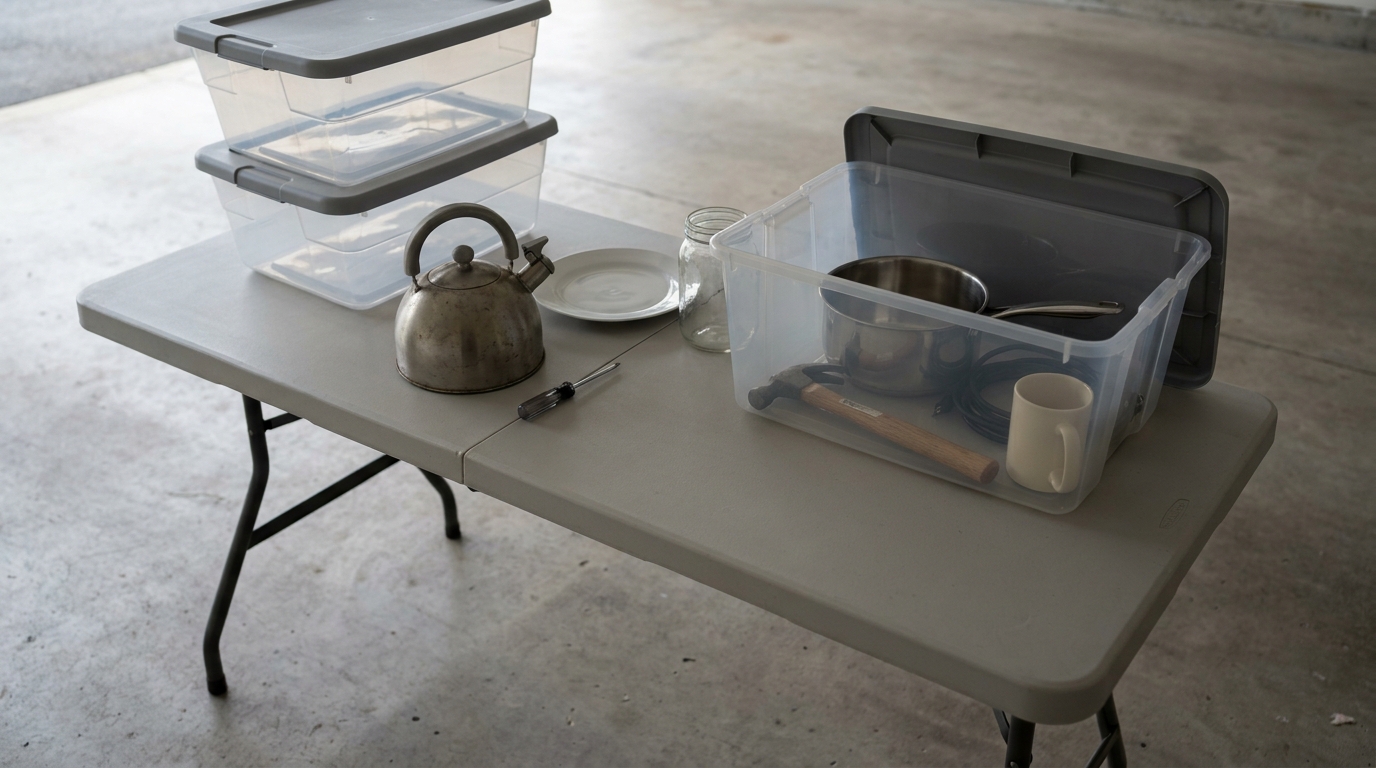
Hard, non-porous things generally survive: cookware, tools, glass, ceramics, metal, though heat can leave them brittle, and electronics only once they have been disconnected and checked for water damage, which is the Red Cross condition for switching anything back on. Porous things generally do not: upholstery, mattresses, carpet, curtains, insulation, bare wood, paper. Smoke does not sit on a porous material, it goes into it. The federal booklet says the same in plainer words — items untouched by flame "may still be ruined by smoke and may be soggy with water used to put out the fire."
Clothes are the question people ask most, and the answer is: not straight out of the closet. Smoke bonds into fabric, and one commenter was blunt — cleaning is never going to get the smell out of heavily smoked fabrics. In the same thread, a family reported that their carrier had suggested rinsing the clothes in vinegar. Some do come back with proper treatment, but whether yours will is a smoke odor question and its own subject.
Food is not a judgment call. The Red Cross is categorical: "Discard any food that has been exposed to heat, smoke or soot." That includes cans and jars that sat near the heat, anything in cardboard or plastic wrap that smoke could reach, and the contents of a refrigerator or freezer in a room that filled with smoke, because the USDA notes the door seal is not airtight and fumes get inside whether or not the power stayed on. The Red Cross puts medicine in the same line as food, and the FDA allows one exception: a medicine you need for a life-threatening condition may be used if it looks unchanged and no replacement is at hand, then replaced as soon as possible.
Before any of it moves, one rule outranks the rest. Triple-I's instruction is not to throw out damaged items until the adjuster has visited. Dress for it before anything moves: an N95 mask, nitrile gloves, goggles, long sleeves and sturdy shoes, because FEMA's salvage guidance warns that soot, asbestos, lead and chemical residue are all in play in a burned house. Then photograph and video everything, room by room, drawers open. Two people in one inventory discussion described the task exactly right: one called it spreadsheet work, done room by room; another said you describe a feature set rather than a name — not a toothbrush, but the specific kind of toothbrush it was.
Two things about the search itself. Do not scrub soot to see what is under it — wiping tends to drive it deeper into the surface. And do not assume the rooms that look fine are fine — one homeowner found their attic smelled of smoke for months because nobody thought to check it. A proper inspection of what the fire and the hoses left behind covers rooms the fire never entered, and the water is part of it, because standing water keeps making the problem worse for as long as it sits.
What Are Your Next Steps After a Johnson City Fire with No Insurance?
Almost every guide treats being uninsured as one bullet point. It deserves better, and the federal booklet gives it better. "If you do not have insurance," the U.S. Fire Administration writes, "your family and community might help you get back on your feet."
Then it names who. The After the Fire booklet — published by the U.S. Fire Administration, part of FEMA — lists the American Red Cross and the Salvation Army first, then religious organizations, public agencies such as the public health department, community groups, the state or municipal emergency services office, and nonprofit crisis-counseling centers. In Johnson City that means your local Red Cross chapter, the Salvation Army, and the churches and community groups already doing this work around Johnson City. The fire department often makes the first referral before it leaves. What they provide is immediate and practical: somewhere to sleep, food, clothing, medicine, and help with paperwork nobody can face alone. Ask early rather than late.
Two hard things stay true without a policy behind you. The house still needs securing, because an open building keeps getting worse and nobody will reimburse the difference. And the work still costs money.
So here is how we handle that call. Tell us on the phone that there is no insurance. We will walk the building, tell you what is genuinely urgent and what can wait a season, and put it in writing — and the walkthrough costs nothing and obliges you to nothing. Sometimes the honest answer is that the urgent list is short. We would rather say that than sell you a scope you cannot carry.
Get Your Quote
Ready to handle this with a pro?
You're reading about How Do You Replace Documents Lost in a Johnson City House Fire. Get a fast quote for water damage restoration service in Johnson City, TN from Conrad's Water Damage and Fire Restoration.
How Do You Replace Documents Lost in a Johnson City House Fire?
This is the quiet job that gets forgotten until someone asks for identification. The federal booklet lists what to replace, and it is longer than most people expect: driver's license, auto registration, titles and deeds, insurance policies, military discharge papers, passports, Social Security or Medicare cards, credit cards, birth, death and marriage certificates, stocks and bonds, divorce papers, wills, medical records, warranties, income tax records and citizenship papers.
Each goes back to whoever issued it — the state Driver Services office for the license itself, the county clerk for a duplicate vehicle registration, the county register of deeds for property records, the state vital records office for certificates, the Social Security Administration, the federal passport service, and your own bank for cards and statements. Two notes: the fire report number smooths most of these conversations, and several agencies want identification you no longer have, so start with whichever document unlocks the others.
Burned cash has a route too. Handle it as little as possible and do not separate or wrap the fragments. The Bureau of Engraving and Printing asks that brittle currency be packed in cotton and boxed as found. The route has also changed since the booklet was printed: the Federal Reserve says not to bring it any currency at all. A note that is clearly more than half intact and merely dirty can be exchanged at your own bank, and anything charred, brittle, or half or less goes to the Bureau's mutilated currency program.
Give all of this one home — a cheap notebook, or a folder in your phone, holding the claim number, the adjuster's name, the fire report number, every receipt and every call you make. By the time someone asks you for it, that notebook will be the only place any of it exists.
The Recap
Do not go back in until the fire department clears the building. Floors and walls may not be as safe as they look.
Leave the utilities alone. If firefighters had the power shut off, it comes back only after the damaged wiring is repaired and an electrical inspector has approved it, which is what BrightRidge, the Johnson City electric utility, requires before it reconnects. Gas appliances are a licensed mechanical contractor's job under Johnson City's rules. Never you, and not the fire department either.
Open the claim the same day. Waiting does not help the claim, and it can cost you.
Photograph everything before you move or discard anything. Nothing goes out until the adjuster has seen it.
Secure the building. Board-up and tarping are urgent, arranging them is your responsibility, and Triple-I says to keep the receipts, with one condition: what the carrier pays for temporary repairs comes out of the total settlement, so an expensive board-up leaves less for the permanent work.
You never have to sign a restoration contract at the scene. The choice of repair firms is yours.
Hard things survive, porous things usually do not, and food exposed to heat, smoke or soot goes.
With no insurance, the help is real and local: Red Cross, Salvation Army, religious organizations, public health, community groups, your state or municipal emergency services office, and nonprofit crisis-counseling centers.
Replace the documents early, and keep one notebook with every number and receipt in it.
When you are ready for the securing and the cleanup, Johnson City falls inside our emergency services 60 minute response time, a person picks up at any hour of any day, holidays included, and we walk the building with you before anything is signed. If what you need today is a boarded window and nothing else, we will tell you that too.
Conrad's Restoration Team
Water, Fire & Mold Restoration Crew
The restoration crews at Conrad's Water Damage and Fire Restoration handle water, fire and mold damage across Johnson City, the Tri-Cities and the Knoxville corridor. Someone answers the phone day or night, holidays included.
Related Posts
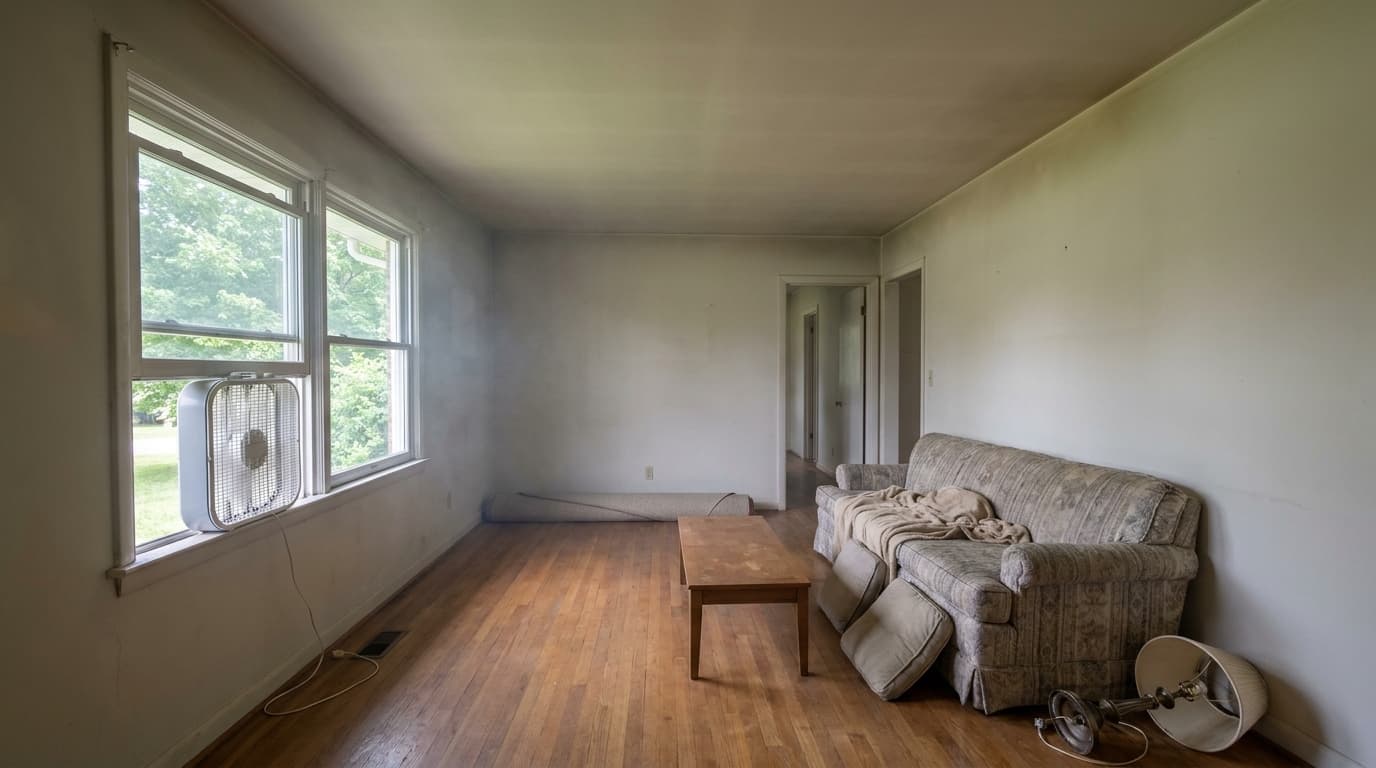
How to Get Smoke Smell Out of a House in Knoxville
Most smoke smell is a homeowner job. Here is the order that works in a Knoxville house, and the point where residue stops being a cleaning problem.
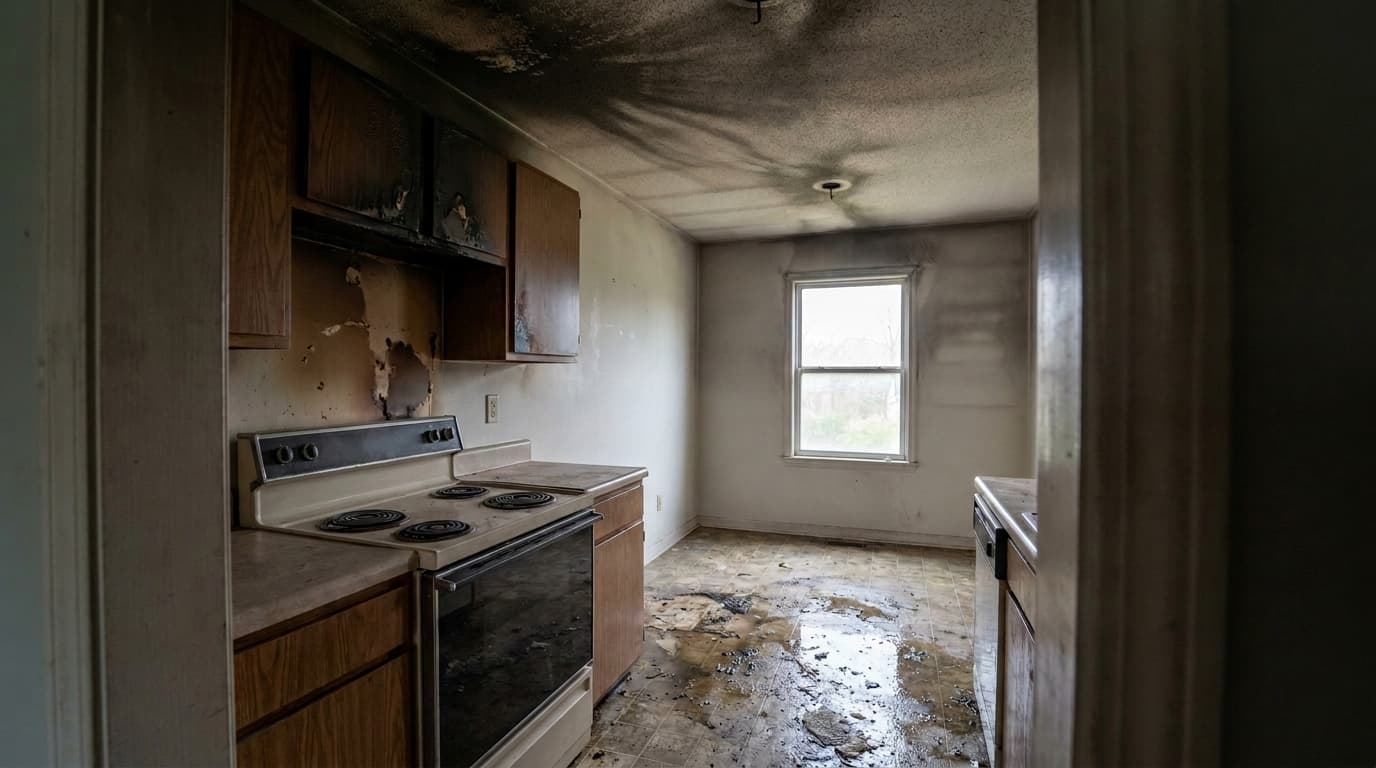
Fire Damage Restoration Cost in Kingsport: 2026 Guide
The published national figures for fire damage restoration disagree with each other roughly fivefold, and understanding why tells a Kingsport homeowner more than any single number could. Here is what drives the cost, what each line on a fire quote is actually paying for, and where insurance picks up.
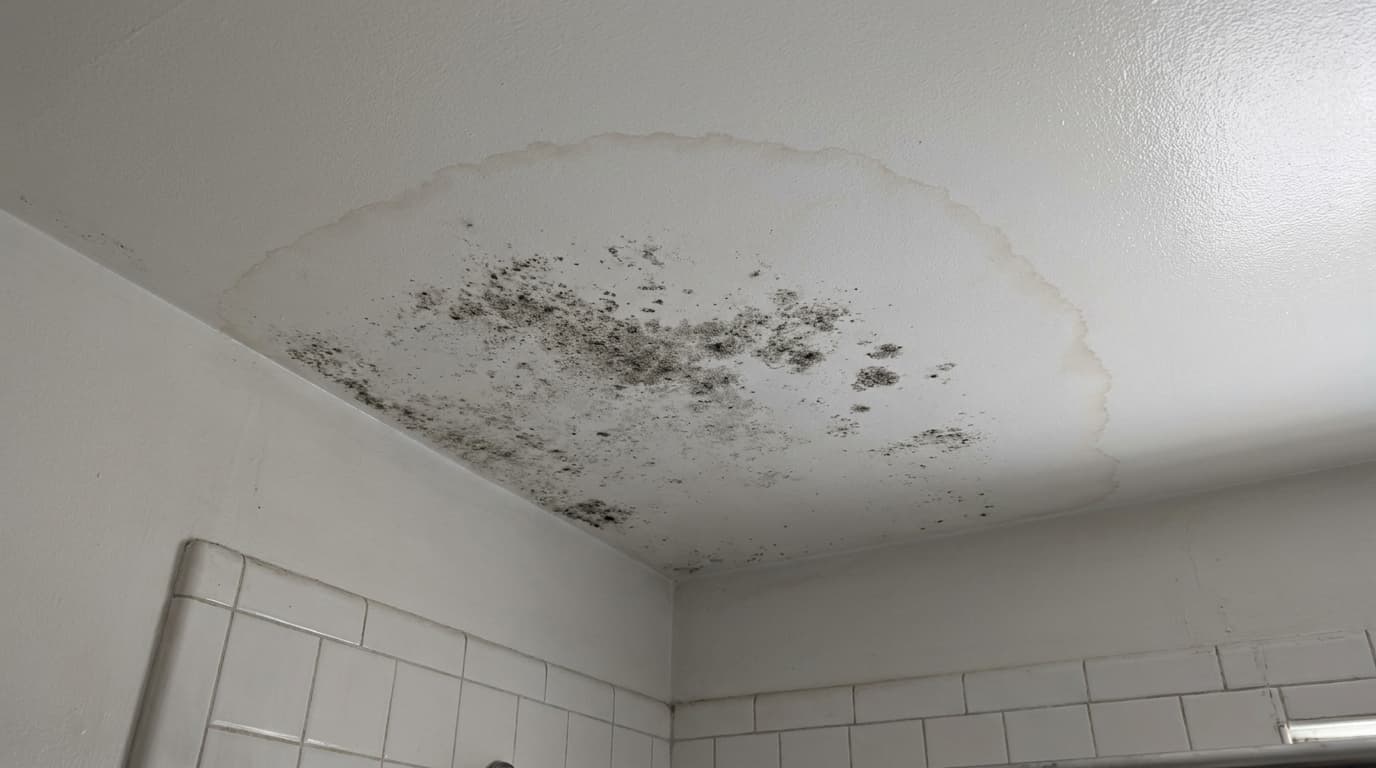
Mold vs Mildew in Kingsport Homes: How to Tell the Difference
Mildew is not the safer alternative to mold. The EPA defines it as certain kinds of mold, growing flat on a surface rather than into it, which means the question worth asking is not which one you have. It is how deep the growth has gone and where the water feeding it is coming from. Here is how to read both in a Kingsport home, and when a wipe-down is genuinely enough.