

How to Get Smoke Smell Out of a House in Knoxville
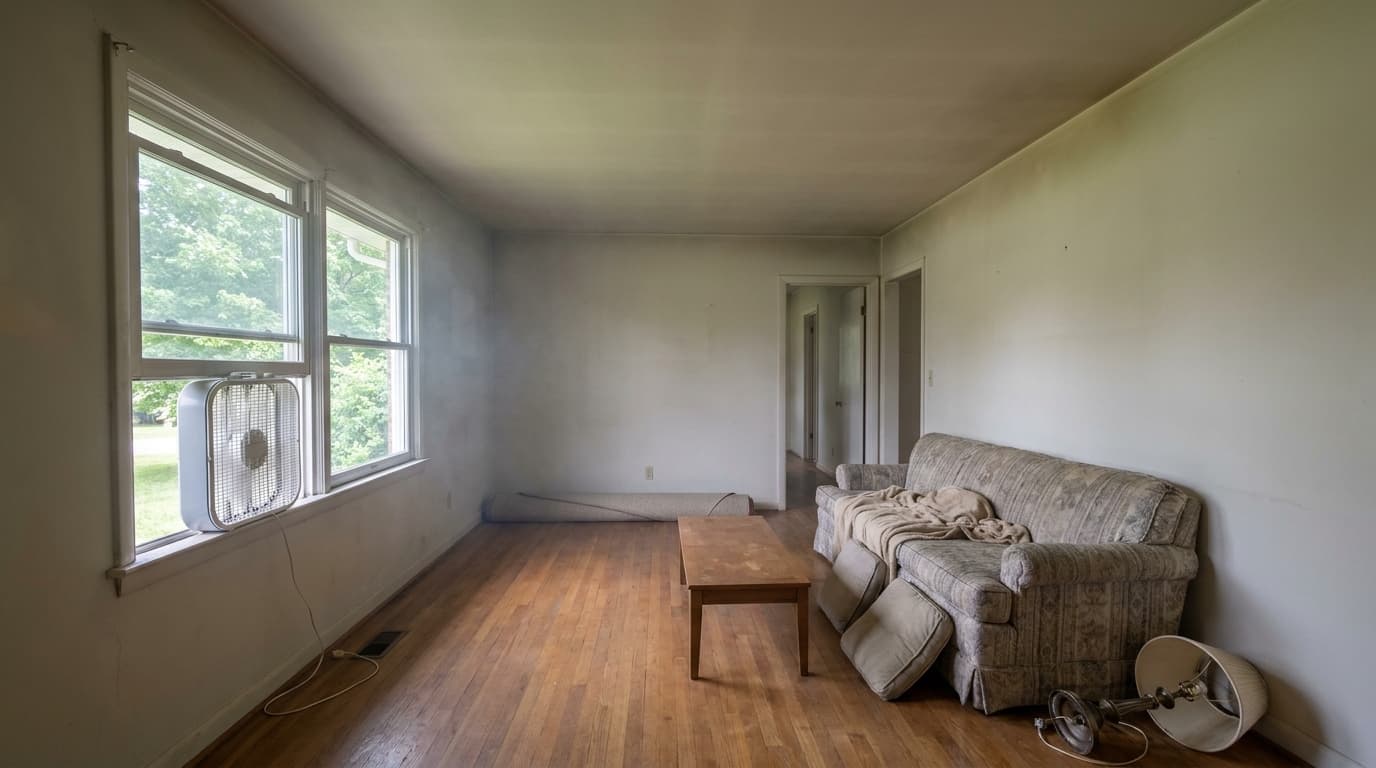
You can smell it the moment you open the door, and so can everyone who walks in behind you. A pan left on the burner, a fireplace that backed up, a small fire the department put out quickly and left you to live with. The smoke is gone. The smell is not.
Here is the part our industry tends to bury: most smoke smell is a homeowner job. Not a fast one, but one you can finish yourself with a bucket and a free weekend. What decides it is not how strong the smell is — it is what burned, and how far the residue got into the materials before you started.
What follows is the order we work in, and the same sequence behind smoke odor removal in a Knoxville house, including the part where you do not need us.
Get Your Quote
Ready to handle this with a pro?
You're reading about How Do You Air Smoke Smell Out of a Knoxville House Fast. Get a fast quote for water damage restoration service in Johnson City, TN from Conrad's Water Damage and Fire Restoration.
How Do You Air Smoke Smell Out of a Knoxville House Fast?
Open everything, put a box fan in a window facing out, and turn the heating and cooling system off. That is the fastest thing available to you.
Opening windows on one side of a house moves very little air. Air moves on a pressure difference, so you need an exit and an entry: a fan in one window blowing outward, another window open on the far side. Cross-ventilation does the work, not the open window. Shutting the HVAC off matters as much, and almost nobody does it — a running system takes smoke-laden air out of one room and delivers it to every other room, closets included.
Then take the source outside — the burned pan, the charred cushion, the ash from the firebox — because each keeps releasing odor while it sits in your kitchen bin. Removing the source does more than ventilation, and ventilation does more than air cleaning. That is the whole plan for the first hour.
So does airing out the house remove smoke smell? It removes the part still floating, and nothing of the part that has landed. Smoke particles are small enough to settle into paint, drywall, grout, carpet fiber and upholstery foam. If the smell drops while the windows are open and comes back once you close them, that is not a failure of ventilation. That is the residue telling you it is still on the walls.
Then leave, and come back. Ten minutes outside resets your nose. Two people in the same discussion raised it independently — step out long enough for your sense of smell to recover, or get someone who has not been in the house all day to walk in and tell you honestly what they smell.
How Do You Clean Smoke Odor from Walls, Fabric, and Carpet in Knoxville?
What you are cleaning off a wall after a smoke event is not dust. It is an oily film, and that one fact decides which cleaner works. Ordinary spray cleaner slides across it. A degreaser dissolves it.
Work top down — ceilings first, then walls, then trim and floors — and do not skip the ceiling because it looks clean. The film does not settle evenly. It builds up worst on the surfaces you need a ladder to reach.
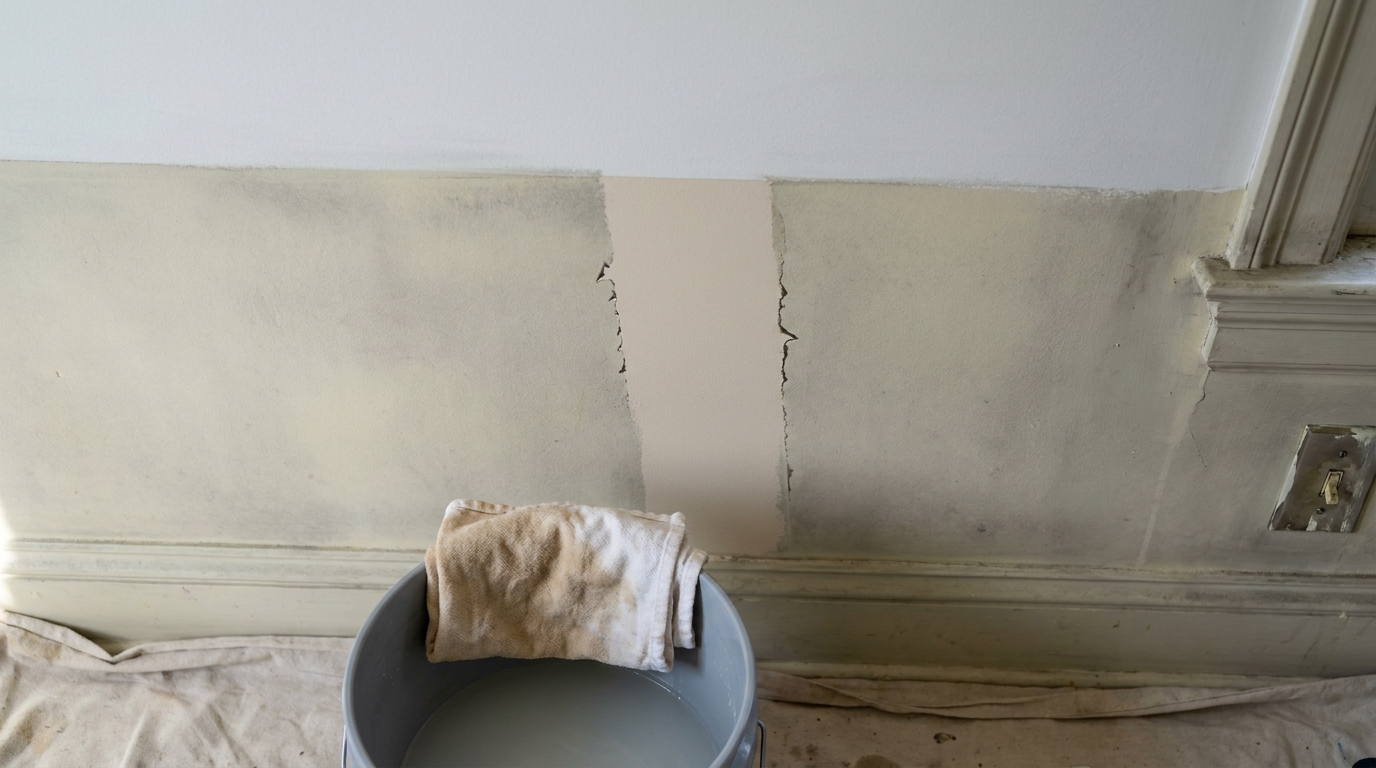
Wipe a test stripe first. One damp pass on a painted wall tells you what you have. A stripe appears and the cloth comes away dirty: the film is on the surface, and washing will get it. Nothing changes: the odor is coming from somewhere else — soft goods, ducts, or a material that has absorbed it.
Now the vinegar question, because this is where the internet's advice turns risky. Every article on this subject tells you to wipe surfaces with vinegar, and for cigarette film or cooking smoke on washable hard surfaces that is fine. If what you have is ash from something that burned, the guidance flips. Colorado's health department is explicit in its advice for cleaning smoke-impacted homes: "Do not use harsh chemical cleaners or vinegar as they can react with chemicals in the ash. Soap and water are adequate to clean ash from hard surfaces." It also says to avoid actions that stir up particles, such as dry sweeping and dusting, and to mist hard surfaces with water before sweeping them.
Fabric has its own rule, and it is the one people break most often. Oklahoma State University Extension's guidance on smoke odor says to add 1 cup of vinegar to the detergent, expect one washing not to remove all the odor, and repeat until the smell is gone. Then the part that matters: "Do not dry clothes that smell like smoke as this can set the odor in the material." A dryer locks in whatever you failed to wash out. Hang them, and smell them dry.
Carpet and upholstery hold more than anything else in the house. Baking soda over carpet, left overnight and vacuumed up, will pull some of it, and open bowls of baking soda or activated charcoal keep working on the air for days. That is the honest answer to what absorbs the smell of smoke. HEPA filtration catches the particles but needs an activated carbon stage to touch the odor gases at all. And absorbing is not covering: boiling citrus peel and cinnamon is the most upvoted advice on this subject anywhere, and it is a masking answer in a cleaning answer's clothes. The house smells better for an afternoon, and nothing has left it.
How Do You Stop Smoke Smell from Coming Back in a Knoxville Home?
Because it does come back, and the cause is almost always the ductwork, a soft material nobody stripped out, or the weather.
Start with the ducts, because that is where people who finished this job say the last of it was hiding. One homeowner washed every wall and ceiling with a degreaser, sealed it all with a stain-blocking primer, repainted the entire interior — and still caught a faint smell. "The last thing we did was to have the vents professionally cleaned," they wrote. "After the vents were cleaned and sanitized, we no longer could smell any traces of cigarette smoke." Another, in a house smoked in for twenty-five years, gave the same two-item list: get the ceilings, and get the air ducts cleaned. Those two are what people finish with, not what they start with.
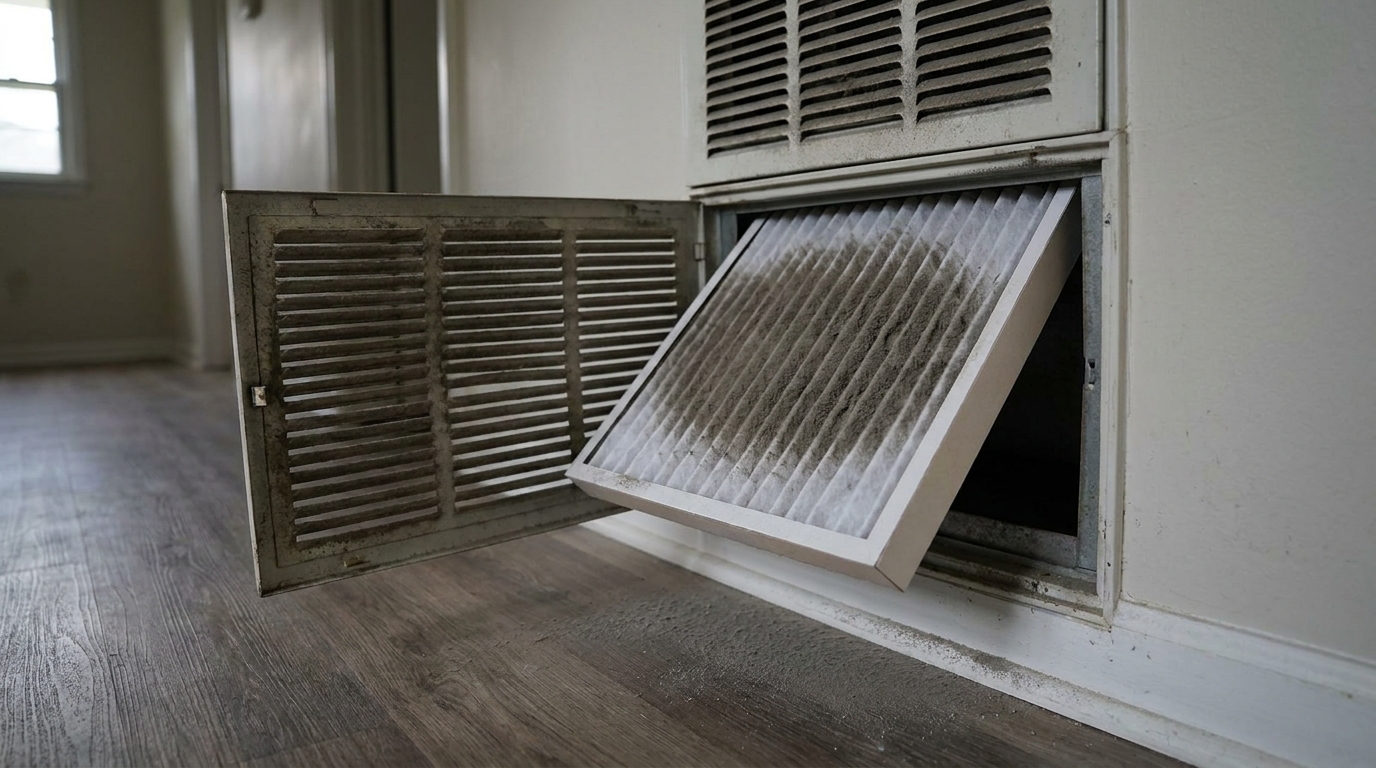
Pull the filter before you assume the ducts are the problem. It is free, and often it is the answer — a filter that ran through a smoke event is loaded with the particles you are trying to get rid of.
Then the missed spots: closet interiors and what is stored in them, the insides of cabinets and drawers, window frames and blind slats, light fixtures and ceiling fan blades, and the range hood filter over the stove. That last one catches people out — one person cleared the entry room and most of the kitchen, then found the smell still sitting in the hood filter after washing it.
And then there is our summer. Odor that has soaked into a material does not sit still; heat and humidity draw it back out. Three separate people in those discussions landed on the same observation, one of them putting it as summer warmth "making it come out again as everything heats up." In Knoxville that is not a footnote. A house that reads clean in April can read smoky in July, and nothing has changed but the dew point.
So how long does it take for smoke smell to leave a house? It leaves when the residue does, which is why nobody can give you a number. Light exposure with good ventilation can clear in a day or two. Anything that coated surfaces is measured in weekends — one couple cleaning up after a pot of chicken burned dry needed two full days on the kitchen alone.
Get Your Quote
Ready to handle this with a pro?
You're reading about Do Ozone Machines Really Remove Smoke Smell in a Knoxville House. Get a fast quote for water damage restoration service in Johnson City, TN from Conrad's Water Damage and Fire Restoration.
Do Ozone Machines Really Remove Smoke Smell in a Knoxville House?
The answer has two halves, and they get mixed up constantly.
As something you buy and run in a house you are living in: no. The EPA's document on ozone generators sold as air cleaners is not ambiguous. "Ozone is a toxic gas with vastly different chemical and toxicological properties from oxygen," it states, and inhaled it "can damage the lungs." On whether it works at levels safe to be around, EPA concludes that "at concentrations that do not exceed public health standards, ozone is generally ineffective in controlling indoor air pollution." Worse, ozone reacting with chemicals indoors produces new ones: EPA reports that such reactions can form aldehydes and increase indoor concentrations of formic acid, both of which it says can irritate the lungs if produced in sufficient amounts.
Colorado's health department gives the operational version in one line: "Do not use ozone generators in occupied homes. Ozone is toxic to breathe, and using one of these devices in the home can create a potential health risk." If one is used in an empty space, it says to air that space out for at least four hours before anyone goes back in.
The other half is what the anti-ozone articles leave out. EPA has a section on unoccupied spaces, and it names this exact application: high concentrations of ozone "when people are not present, are sometimes used to help decontaminate an unoccupied space from certain chemical or biological contaminants or odors (e.g., fire restoration)." Two conditions come attached — "little is known about the chemical by-products left behind by these processes," and conditions "should be sufficiently controlled to insure that no person or pet becomes exposed."
People who use these machines describe the same routine: set a timer, get everyone out including pets and plants, come back hours later, ventilate before moving back in. The most upvoted reply on one discussion about a previous smoker's home was a warning rather than a recipe — do not run it while anyone is inside — and a commenter who said they were a chemist agreed, while still rating the machine effective.
Oklahoma State's extension guidance draws the line where we would. Gina Peek, the extension's assistant director, puts it plainly: "This isn't something homeowners should do themselves. There are significant health and property dangers associated with ozone." We will not tell you ozone is safe; that is not ours to say. What we will tell you is that it belongs to an empty house, and that it is the last step of a cleanup rather than a substitute for one.
When Should You Stop DIY Smoke Cleanup in a Knoxville Home?
Most of what is above is genuinely yours to do. The line is not about effort, or about how bad it smells. It is about whether the residue is still on the surface. Stop and call someone when any of these is true:
There is visible soot or char on walls, ceilings or contents. Soot from burning building materials is not a film sitting on paint. Scrubbing grinds it in and spreads it.
The odor returns after you have cleaned and sealed everything. Not a technique failure. It means the smell has a reservoir you have not reached — the ducts, a wall cavity, carpet pad, insulation.
Something with a lot of protein burned. A pan of meat left on a burner leaves a near-invisible whitish film rather than black soot, and it travels through a whole house. People clean the visible kitchen, find the smell unchanged, and cannot work out why.
The materials are saturated rather than coated. Carpet pad, upholstery foam, mattresses and insulation absorb rather than collect. Once they are loaded, cleaning them is not the decision — keeping them is.
Someone in the house should not be doing this work. Colorado's health department advises against cleanup activity for people with heart or lung disease including asthma, older adults and anyone pregnant, and says to keep children and pets away from ash and cleanup activities.
Two things this article leaves alone. The aftermath of an actual house fire, as opposed to the smell it left behind, has its own sequence in the first hours — re-entry, utilities, securing the building — and deserves its own treatment. And a house that simply smells of a previous owner's cigarettes is a different project: the sticky nicotine film comes off with a degreaser, a stain-blocking primer holds back what stays behind it, and new soft goods and clean ducts finish it. That one is elbow grease, not a restoration contractor.
How Do the Pros Remove Smoke Odor from a Knoxville House?
With better tools, and one thing you cannot rent: knowing when to stop.
Source removal first, then dry cleanup before wet — HEPA vacuuming and dry sponging lift loose soot without smearing it, where washing first would turn that soot into a stain. Then surface cleaning matched to each material, because the right method for sealed cabinetry is wrong for flat-painted drywall. Then sealing what stays, replacing what cannot be saved, and deodorizing last, once there is nothing left to deodorize around.
That final stage is where equipment earns its keep. Thermal fogging pushes a deodorizing agent through a space as a heated vapor, following the path the smoke took. Hydroxyl generators break odor molecules down and, unlike ozone, can run in an occupied space. Ductwork gets cleaned as part of the job rather than as an afterthought.
What justifies the call is the front end, not the fog machine: working out how far the smoke traveled, which materials took it in, and which are finished. That is the smoke damage side of the work, and the same read we run on the fire jobs we take in Johnson City and across East Tennessee. We answer the phone around the clock, day or night and holidays included, and we reach Knoxville-area homes the same day.
Get Your Quote
Ready to handle this with a pro?
You're reading about Your Key Takeaways. Get a fast quote for water damage restoration service in Johnson City, TN from Conrad's Water Damage and Fire Restoration.
Your Key Takeaways
Ventilate first, and shut the HVAC off. A fan in one window blowing out, a window open on the far side, and a system that is not delivering the smell to every other room.
Airing out only removes what is still in the air. If the smell comes back once you close the windows, it is on your surfaces.
You are cleaning an oily film, so use a degreaser. Work top down, and do the ceiling even though it looks fine.
Vinegar and ash do not mix. Colorado's health department says plain soap and water for ash, and warns that vinegar can react with what is in it.
Never put smoky clothes in the dryer. Oklahoma State Extension is direct that the heat sets the odor. Wash again with 1 cup of vinegar, and hang them.
Ceilings and ducts are what people finish with, not what they start with.
A Knoxville summer brings it back out. Heat and humidity release odor from materials that read clean in spring.
Ozone belongs to an empty house. EPA calls it a toxic gas and generally ineffective at safe concentrations, while acknowledging its controlled use in unoccupied fire restoration. Never run one around people, pets or plants.
Call someone for visible soot or char, odor that survives a full clean and seal, burnt protein, or saturated carpet pad, upholstery and insulation.
If you have aired it out, washed it down, changed the filter and it still smells like smoke in the afternoon heat, that is worth a look rather than another weekend. We will also tell you on the phone when what you have is a bucket and a Saturday, and we would rather say that than sell you a fog machine you do not need.
Conrad's Restoration Team
Water, Fire & Mold Restoration Crew
The restoration crews at Conrad's Water Damage and Fire Restoration handle water, fire and mold damage across Johnson City, the Tri-Cities and the Knoxville corridor. Someone answers the phone day or night, holidays included.
Related Posts
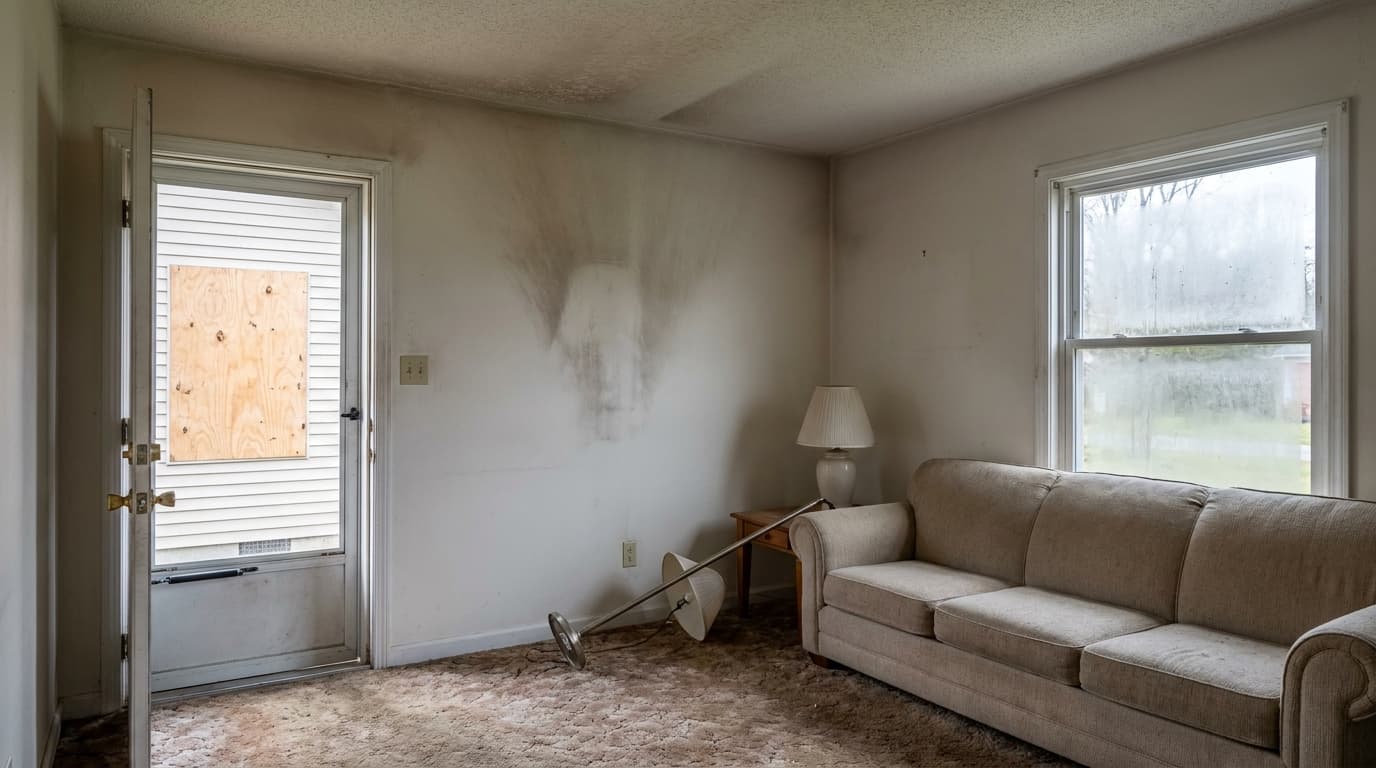
What to Do After a House Fire in Johnson City, TN
The fire is out and nobody prepared you for the days that follow. Here is the order they actually take in a Johnson City home, from clearance to paperwork.
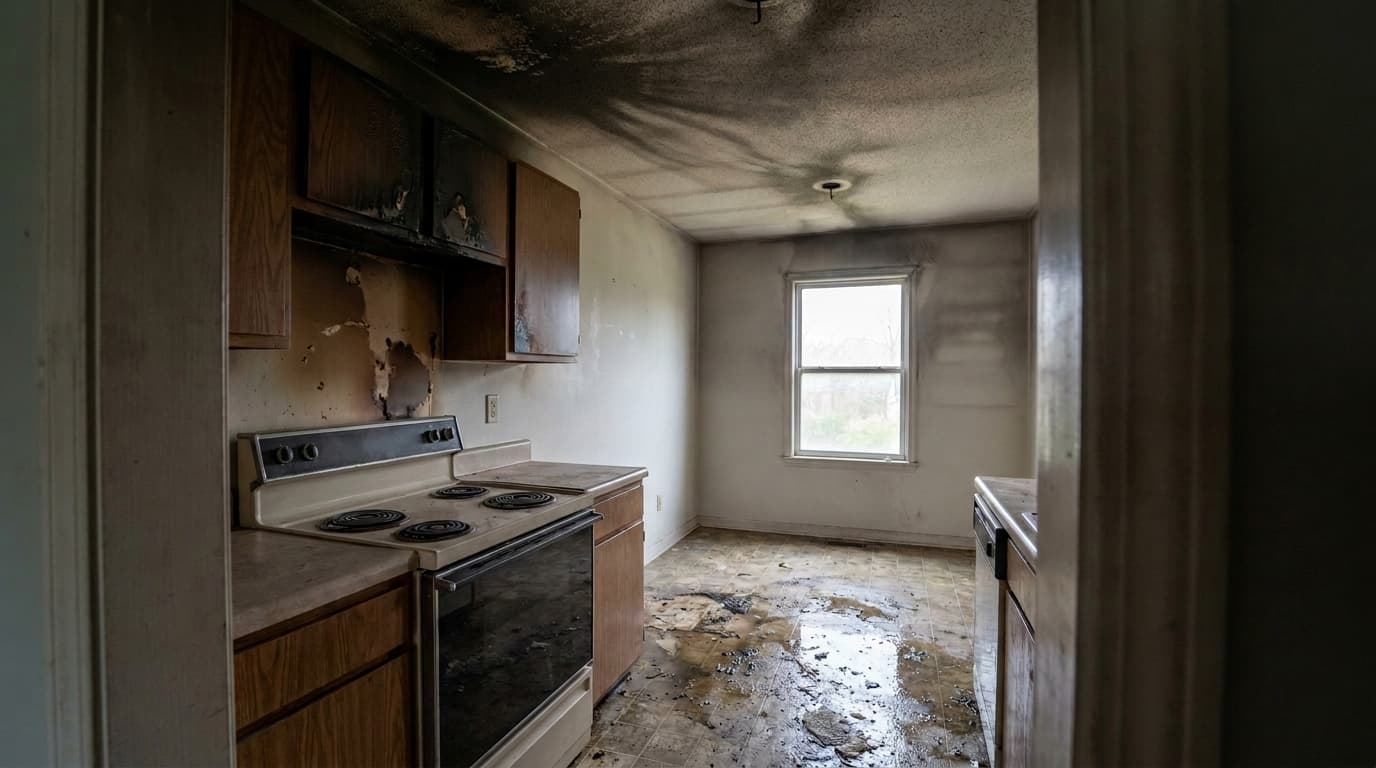
Fire Damage Restoration Cost in Kingsport: 2026 Guide
The published national figures for fire damage restoration disagree with each other roughly fivefold, and understanding why tells a Kingsport homeowner more than any single number could. Here is what drives the cost, what each line on a fire quote is actually paying for, and where insurance picks up.
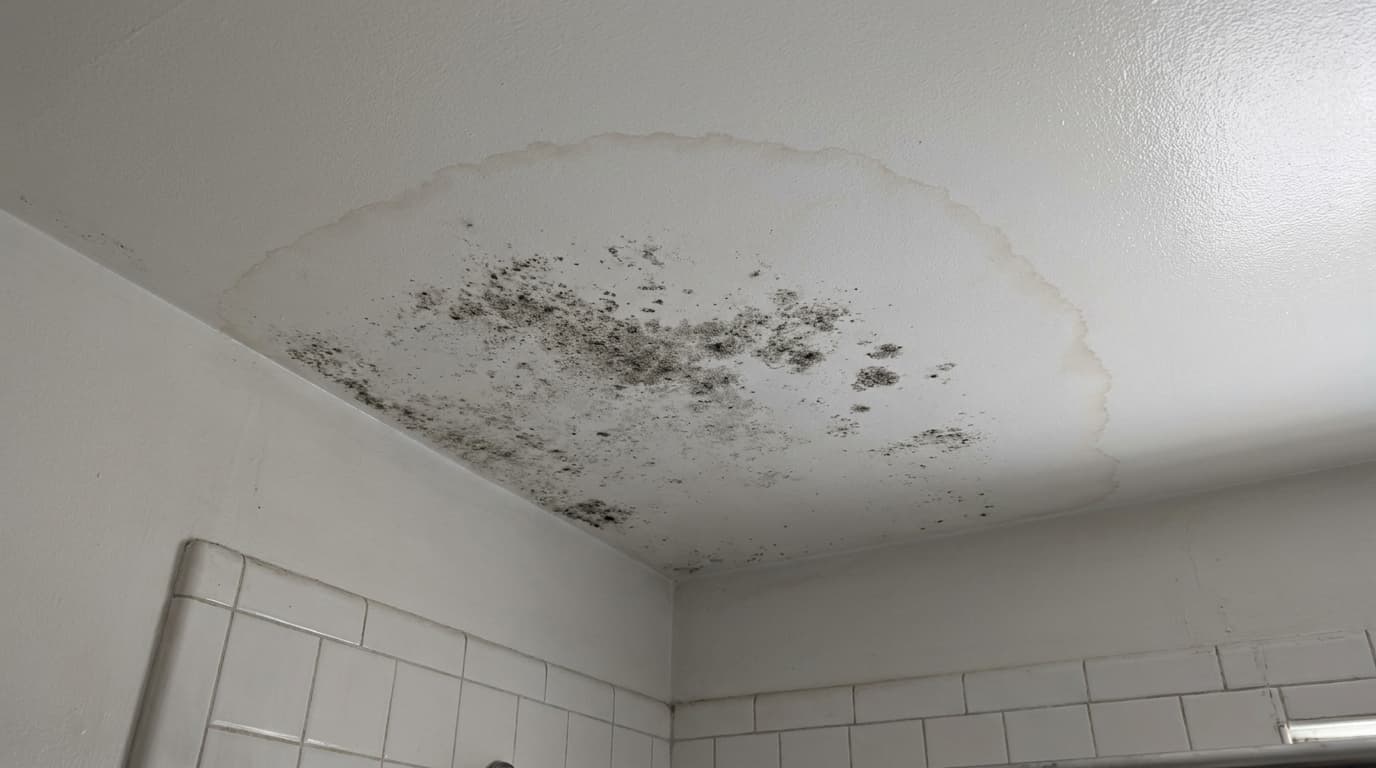
Mold vs Mildew in Kingsport Homes: How to Tell the Difference
Mildew is not the safer alternative to mold. The EPA defines it as certain kinds of mold, growing flat on a surface rather than into it, which means the question worth asking is not which one you have. It is how deep the growth has gone and where the water feeding it is coming from. Here is how to read both in a Kingsport home, and when a wipe-down is genuinely enough.